
 Stents & Implants
 Find a Doctor
 Lab Reports
 Health Checkup
 Book an Appointment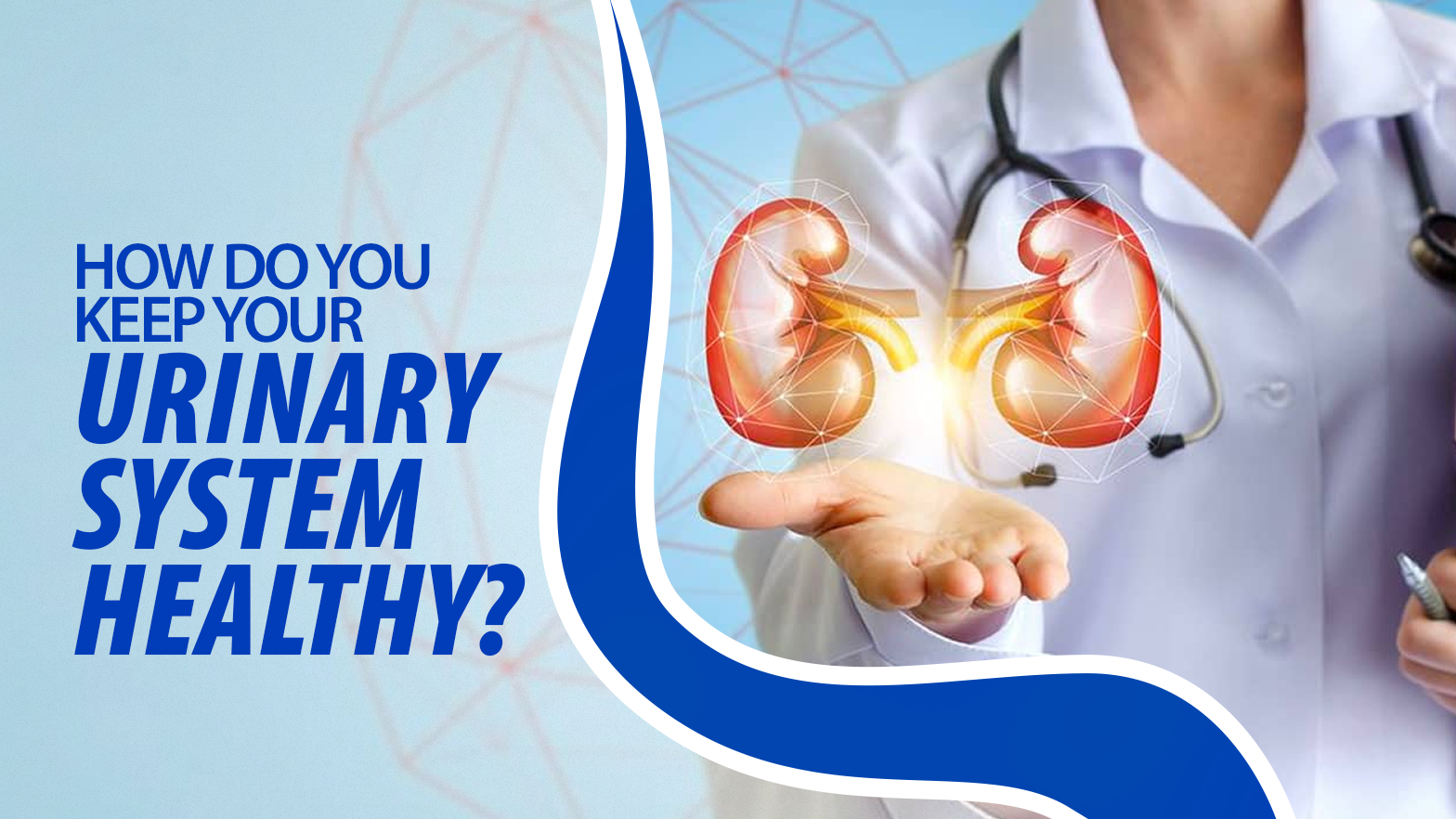
Urinary Health: Lifestyle Tips for a Healthy Urinary System
A well-functioning urinary system is essential for good health. The urinary system consists of kidneys, ureters, and bladder which play a fundamental role in managing waste by-products. The urethra assists in removing waste, controlling blood pressure, and maintaining fluid levels. Several simple lifestyle modifications, together with preventive actions, help improve urinary health and prevent potential urinary problems.
1. Stay Hydrated
Drinking enough water is essential for maintaining urinary system health. Proper water consumption removes toxins from the body while minimising the chances of developing urinary tract infections (UTIs) and kidney stones. You need to drink eight to ten glasses of water each day, but you must consider your daily activities, environment, and medical status. Good hydration shows itself in clear or light yellow urine.
2. Practice Good Bathroom Habits
Don’t Hold Urine: The bladder experiences stress and discomfort when urine stays in the bladder too long which raises the chance of urinary tract infections (UTIs) and increases bladder pressure. Your bladder muscles will weaken through this practice which leads to incontinence and incomplete bladder emptying.
Wipe Correctly: Women must wipe their genital area from the front to the back after using the toilet. The correct wiping procedure after using the toilet prevents bacteria migration from the anus toward the urethra which decreases UTI risk and supports genital hygiene.
Empty the Bladder Fully: When the bladder does not empty it creates conditions that allow bacteria to multiply thus raising the chances of developing infections. Spending enough time in the bathroom enables complete bladder emptying to support your urinary health.
3. Maintain a Healthy Diet
A nutrient-rich diet containing fruits, vegetables, whole grains, and lean proteins helps maintain proper kidney operations. Eating berries and leafy greens that contain antioxidants helps reduce urinary tract inflammation while supporting overall urinary tract health. The kidneys experience strain when you consume too much salt together with sugar and processed foods leading to fluid retention.
4. Exercise Regularly
Physical activity enhances blood flow while helping people maintain proper weight and decreases their susceptibility to high blood pressure and diabetes which threaten urinary system health. People should exercise moderately for a minimum of 30 minutes throughout seven days per week.
5. Manage Stress
Long-term stress produces negative impacts on bladder operations thus causing problems with overactive bladder and incontinence. Multiple stress management techniques including meditation and deep breathing exercises and yoga and mindfulness practice help individuals properly control their stress levels.
6. Avoid Bladder Irritants
Drinks and particular foods trigger bladder irritation in people who have urinary problems. You should minimise your intake of caffeine together with alcohol, spicy foods, acidic fruits, and artificial sweeteners. Check how your body reacts to various foods so you can make proper dietary changes.
7. Practice Safe Hygiene
Urinate After Intimacy: When people have sexual contact bacteria from the activity can enter the urethra which raises the possibility of contracting infections. The act of urinating right after intimacy serves to eliminate bacteria from the body which minimises urinary tract infection development.
Wear Breathable Fabrics: Wearing cotton underwear together with loose-fitting clothing enables ventilation which helps maintain dryness in the genital area. The practice of maintaining dry genital skin through proper ventilation prevents bacterial and yeast growth which decreases infection and irritation risks.
Avoid Harsh Products: The application of scented soaps, douches, and powders to the genital area will disrupt the natural pH balance and create irritation. Unscented gentle products should be selected for skin health and to minimise infection risks.
8. Regular Medical Check-ups
Regular cheque-ups allow healthcare providers to identify urinary issues at their earliest stages. You should seek medical advice immediately whenever you notice these symptoms:
- Frequent or Urgent Need to Urinate: An overactive bladder combined with infection and additional medical conditions that need professional treatment may cause such symptoms.
- Pain or Burning During Urination: People should not dismiss this symptom because it indicates a UTI which can develop into serious complications when left untreated.
- Blood in Urine: Medical conditions such as infections, kidney stones, and more severe problems including bladder cancer might cause this symptom. A person needs to seek healthcare professional advice right away.
- Lower Back or Pelvic Pain: The persistence of pain in these locations indicates the need for immediate medical evaluation because it may signal kidney infections, stones, or other urinary tract conditions.
If you experience any of these symptoms, seeking advice from the best urologist doctor in Delhi can ensure prompt diagnosis and treatment.
9. Prevent Urinary Tract Infections (UTIs)
Women experience UTIs as one of their most common health issues. To reduce the risk:
- Drink Plenty of Water: Drinking water allows urine to become diluted and helps bacteria in the urinary tract exit the body thus preventing infections.
- Urinate Regularly: Long-delayed urination enables bladder bacteria multiplication which raises the chance of developing UTIs. Urinate at least three to four times during each day.
- Maintain Good Personal Hygiene: A regular wash of the genital region with water and mild soap eliminates bacteria which decreases infection risk.
- Consider Cranberry Supplements: Doctor approval enables patients to benefit from cranberry supplements which contain substances that stop bacteria from attaching to urinary tract walls thus decreasing infection recurrence.
Conclusion
All persistent urinary symptoms require medical attention. Early intervention can prevent complications. The best urology hospital in Delhi like Jaipur Golden Hospital, offers advanced diagnostic tools and treatments for various urological conditions, from kidney stones to prostate issues. The condition of your urinary system directly affects your general health status.
The prevention of numerous urinary issues becomes possible through healthy practices combined with hydration, proper nutrition, and prompt medical care. For specialised care, consulting the best urologist doctor in Delhi ensures expert guidance and treatment tailored to your needs.