
 Stents & Implants
 Find a Doctor
 Lab Reports
 Health Checkup
 Book an Appointment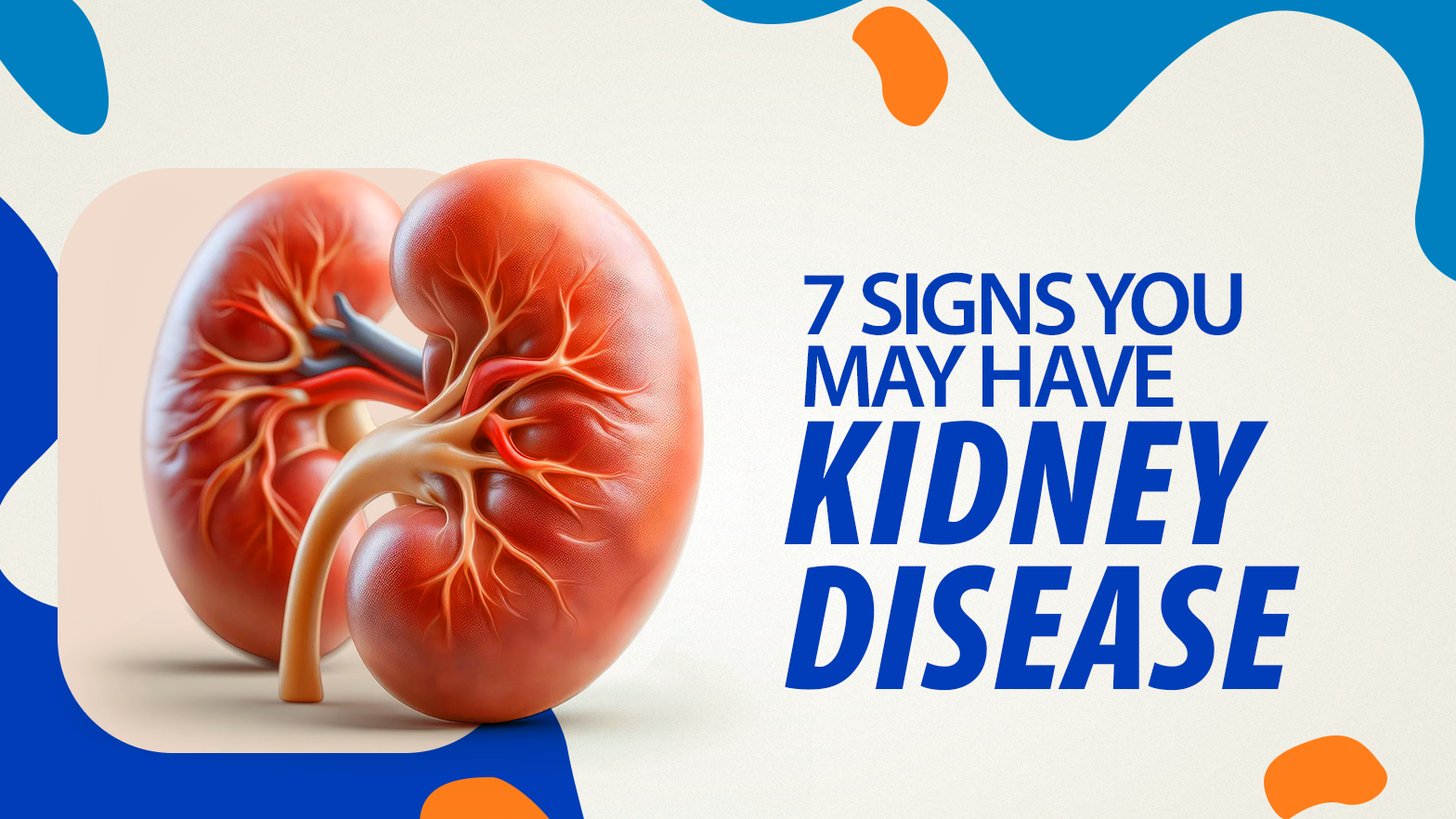
7 Signs You May Have Kidney Disease
The development of kidney disease occurs without clear signs until the illness advances to later stages. The ability of kidneys to filter waste and maintain fluid balance and blood pressure depends on early detection of warning signs, enabling timely medical support. Here are seven signs that you may have kidney disease, and why consulting the best kidney doctor in Delhi is essential for proper diagnosis and treatment.
1. Changes in Urination Patterns
Your kidney condition may be detected through unusual changes in urine frequency together with colour or texture variations. You might experience:
- Increased or Decreased Urination: The need to visit the bathroom more than usual during nighttime combined with insufficient urine production despite proper hydration.
- Foamy or Bubbly Urine: The presence of persistent foam indicates protein leakage which stands as a typical indicator of kidney damage.
- Blood in Urine: A medical assessment is needed to determine the cause since blood in urine could signal kidney stones, infections, or serious kidney disease.
If you notice these changes, it’s advisable to consult the best kidney specialist doctor in Delhi from Jaipur Golden Hospital for further evaluation.
2. Swelling in the Hands, Feet, or Face
Your kidneys work to keep the right amount of fluid present throughout your body. The body develops facial and extremity swelling (oedema) because kidney failure permits fluid accumulation. The presence of persistent eye puffiness may indicate kidney dysfunction because protein leakage occurs in the urine.
3. Persistent Fatigue and Weakness
Erythropoietin is a hormone which kidneys produce to stimulate red blood cell production. The decline of kidney function leads to decreased erythropoietin production which results in anaemia, fatigue, weakness, and shortness of breath. The presence of persistent fatigue even after getting enough rest should prompt you to check for kidney-related medical issues.
4. Skin Rashes and Itching
The accumulation of waste products in the bloodstream because of kidney dysfunction leads to skin complications. The accumulation of waste products in the bloodstream known as uraemia produces dryness, itching, and rashes on the skin. Unexplained persistent itch requires medical examination because it could stem from multiple health-related causes.
5. Shortness of Breath
Lung fluid accumulation from kidney disease produces breathing problems because of fluid retention. Your body will experience shortness of breath with even small physical activities due to the oxygen deficiency caused by reduced red blood cell production in anaemia.
6. High Blood Pressure
The kidneys perform blood pressure regulation through their responsibility of managing fluid levels and hormone production. The malfunction of the kidneys triggers blood pressure elevation which produces destructive effects on kidney tissues that worsen the condition. Uncontrollable hypertension serves as an indicator that kidney disease exists underneath the surface.
7. Nausea and Vomiting
Body waste accumulation results in gastrointestinal effects which include nausea, vomiting, loss of appetite, and a metallic taste sensation in the mouth. The symptoms typically appear during late-stage kidney disease yet persistent symptoms require medical attention.
When to See a Doctor
Medical attention needs to be received without delay whenever these symptoms appear. Early diagnosis enables doctors to stop kidney deterioration while enhancing treatment results. Consulting the best kidney doctor in Delhi from Jaipur Golden Hospital ensures comprehensive evaluation, including blood tests, urine analysis, and imaging studies to determine the cause of your symptoms.
Risk Factors for Kidney Disease
Several health conditions together with lifestyle behaviours create an environment where kidney disease becomes more likely to develop.
- Diabetes: Long-term exposure to high blood sugar levels damages the kidney filtration systems.
- Hypertension: High blood pressure which remains uncontrolled stands as one of the main factors leading to kidney disease.
- Family History: Your chance of developing kidney problems becomes higher when you have relatives who experienced similar issues.
- Smoking and Obesity: The combination of these two factors leads to deteriorating kidney health.
- Frequent Use of Painkillers: The excessive use of particular medications leads to kidney damage.
How Is Kidney Disease Diagnosed?
Early detection involves:
- Blood Tests: A doctor checks creatinine and urea levels in blood tests because they show how well your kidneys function.
- Urine Tests: Tests of urine samples check for protein content as well as the presence of blood and abnormal substances.
- Imaging Tests: Medical scans including ultrasounds and CT scans are used to identify structural problems in patients.
- Biopsy: The medical professional examines a limited amount of kidney tissue to identify the factors responsible for tissue damage.
The best kidney specialist doctor in Delhi from Jaipur Golden Hospital will guide you through the necessary diagnostic steps and recommend appropriate treatments based on your condition.
Treatment and Management
The treatment approach depends on what is causing the kidney disease as well as how severe it has progressed. It may include:
- Lifestyle Changes: People with kidney disease should follow a kidney-friendly diet plan while controlling their blood sugar levels and reducing salt consumption while maintaining a proper weight.
- Medications: Proper treatment includes medications for blood pressure control, diabetes management, and cholesterol reduction.
- Dialysis: The filtering of blood waste through dialysis becomes necessary for patients with severe kidney disease.
- Kidney Transplant: A transplant procedure becomes the treatment option when kidney disease has reached its final stage.
Final Overview
People with kidney disease usually experience no symptoms until their condition becomes severe. The early detection of symptoms along with immediate medical consultation leads to better outcomes for managing this condition.
If you experience any warning signs, consult Jaipur Golden Hospital with the best kidney specialist doctor in Delhi to attain the expert care needed to safeguard your kidney health.