 Stents & Implants
 Find a Doctor
 Lab Reports
 Health Checkup
 Book an Appointment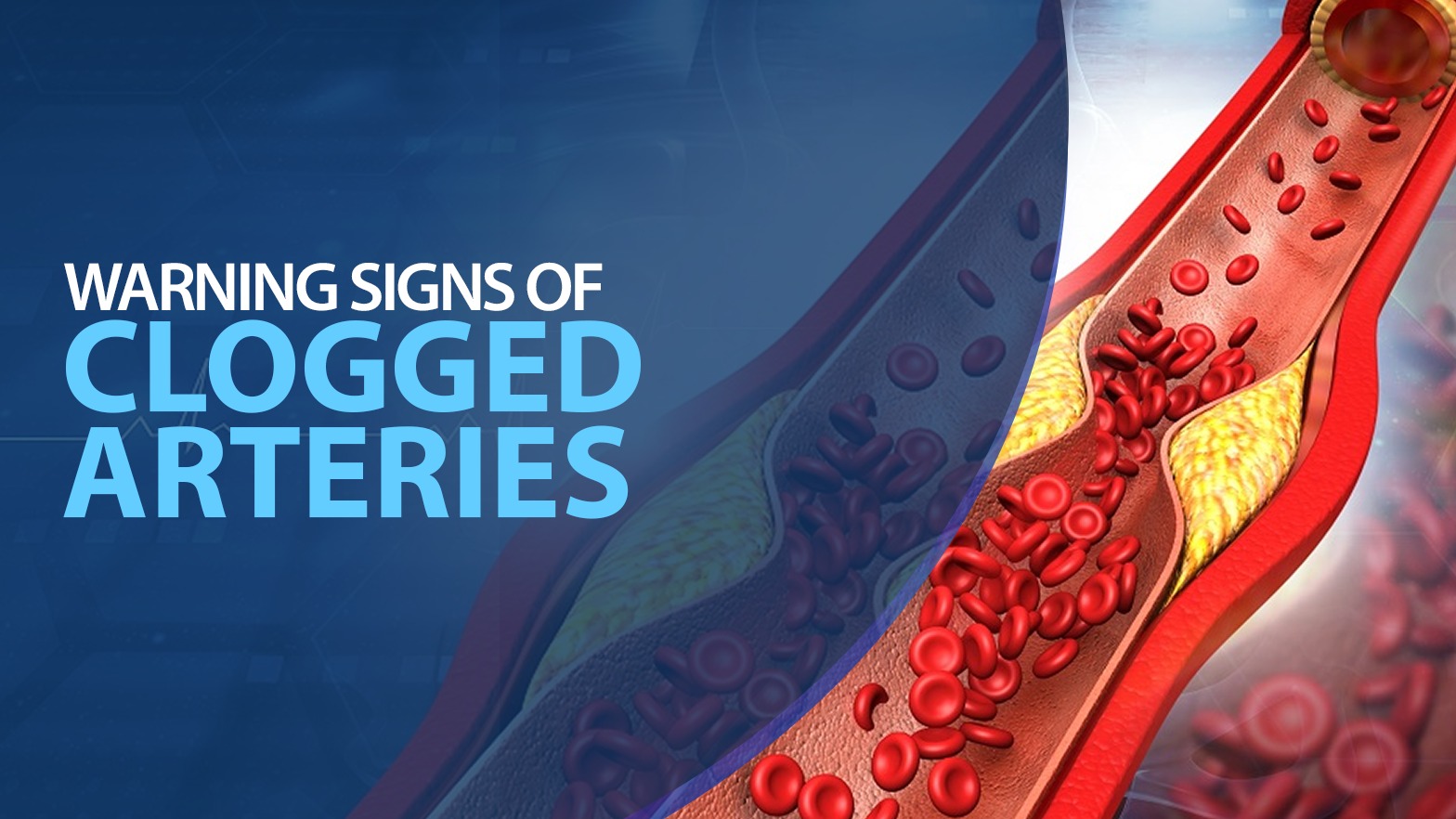
What Are the Warning Signs of Clogged Arteries?
Clogged arteries, also known as atherosclerosis, are a silent but serious threat to heart health. Over time, fatty deposits and plaque buildup can restrict blood flow, increasing the risk of heart attacks, strokes, and other complications. Unfortunately, many people don’t realize they have clogged arteries until a significant health crisis occurs. Recognizing the early warning signs and seeking medical attention from a vascular specialist doctor can prevent life-threatening conditions. If you suspect you may have arterial blockages, visiting the best hospital in India for a thorough evaluation and treatment could make all the difference.
Understanding Arterial Blockages
Arteries are blood vessels that carry oxygenated blood to various organs and tissues of the body. When there is high cholesterol, a poor diet, smoking, or lack of exercise, these pathways become blocked by plaque and hence reduce circulation. This can lead to cardiovascular issues if not addressed. Some people may not show any symptoms at all, but there are signs that should not be ignored.
Common Symptoms of Clogged Arteries
Pain in the chest is one of the most common symptoms of arterial blockages and is referred to as angina. This pain is usually described as pressure, squeezing, or a burning sensation in the chest, especially during exercise or when under stress. It may be reduced when one is off duty, but it should not be ignored. If the chest pain persists or worsens, one should consult a vascular specialist doctor to check on the heart.
Another symptom is that the patient may develop some difficulty in breathing. If you get quickly tired even when you are doing simple tasks, then it is a sign that your heart is not receiving adequate oxygen due to the blockage of the arteries. Other symptoms that are associated with shortness of breath include tiredness and dizziness because circulation to the brain and other organs is reduced.
Pain in the leg or arm may be a symptom of peripheral artery disease, which is a disease that affects the blood vessels in the limbs. Some of the signs of PAD include leg pain, leg cramps, numbness, or weakness that is usually experienced when walking. If left untreated, it may lead to non-healing ulcers and, in the worst-case scenario, amputation. PAD can be controlled, and the condition can be prevented from aggravating by consulting the best hospital in India.
Signs That You Should Not Overlook
As it is already known, the most obvious symptoms are chest pain and breathlessness, but there are other less obvious ones. Erectile dysfunction in men is an early sign of circulation issues caused by arterial blockage. Cold hands and feet or bluish skin color may also indicate that blood circulation is not very good.
Another sign that may be attributed to the disease is jaw, neck, or upper back pain due to reduced blood supply to the heart. Some people even report having such symptoms as nausea, heartburn, or indigestion, which may actually be symptoms of heart disease. If you experience any of these signs, it is advisable to consult a vascular specialist doctor.
Who Is at Risk?
Atherosclerosis is a disease that has some risk factors that may lead to its development in an individual. The causes of the development of arterial plaque include high cholesterol, high blood pressure, diabetes, and smoking. Lack of a proper diet, which entails the intake of foods that contain high levels of saturated fats and processed foods, also leads to the development of the condition. The risk is higher in people with a family history of heart disease, those who are physically inactive, and those who are over 50 years of age.
Stress is also another factor that cannot be overlooked when it comes to the causes of the problem. Stress, in the long run, leads to inflammation and hormonal changes that affect the blood vessels negatively. The following are some of the ways that can help to reduce the chances: exercise, check-ups, and stress management. If you fall into any of the above categories, a visit to the best hospital in India will enable you to know your risk status.
The Importance of Early Diagnosis and Treatment
It is therefore important that the disease is detected early to avoid complications. Some of the diagnostic procedures include angiography, Doppler ultrasound, and computed tomography (CT) scans to determine the extent of arterial occlusion. The mild cases can be managed by adopting some measures like taking a balanced diet, exercising, and taking some drugs. However, in severe cases, one may require stenting or bypass surgery, which should be done at a well-equipped vascular specialist doctor’s facility.
When to Seek Medical Attention
If you experience any of the symptoms mentioned above, it is advisable not to ignore them. The degree of the blockage of the arteries increases the risk of a heart attack, stroke, or any other critical event. Sometimes, the signs may be mild or occur occasionally, but it is advisable to visit a vascular specialist doctor to explain the situation and act.
Choosing the Right Hospital for Your Treatment
It is therefore recommended that one should visit Jaipur Golden Hospital for treatment since it has the best diagnosis and treatment services. It is one of the leading hospitals in India and has the best equipment in cardiovascular, diagnostic, and cardiology services. In this regard, Jaipur Golden Hospital provides a wide range of medical care services, including preventive, early diagnosis, and treatment services, as well as surgeries. Do not wait for a major health crisis to occur—make an appointment today and take charge of your heart.