
 Stents & Implants
 Find a Doctor
 Lab Reports
 Health Checkup
 Book an Appointment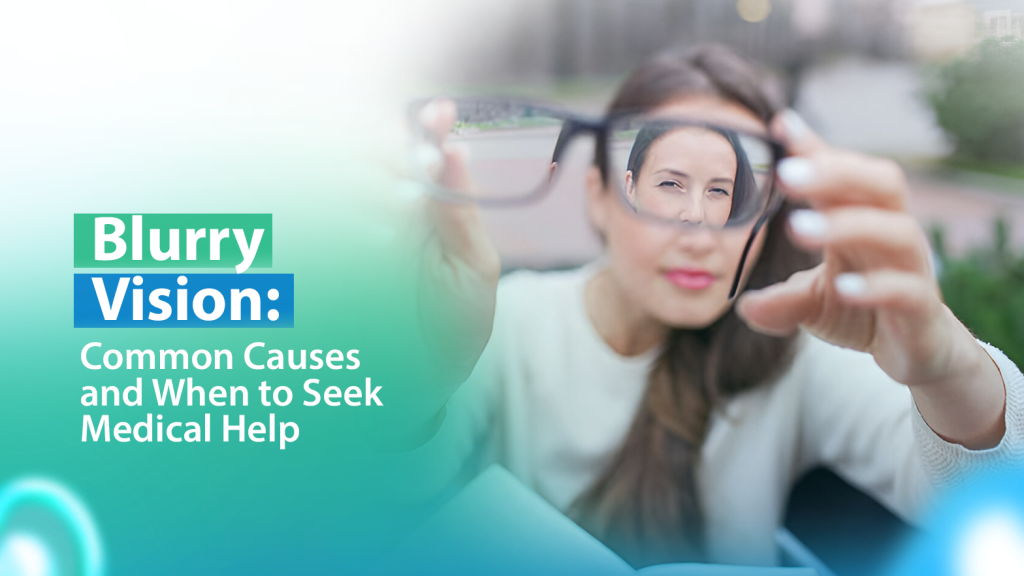
Blurry vision is a common problem that can affect anyone, regardless of age. Sometimes, it may be temporary and harmless, caused by simple tiredness or dryness. However, there are situations where blurry vision could signal something more serious. Understanding the causes and knowing when to seek medical help is crucial to protect your eyesight and overall health.
Common Causes of Blurry Vision
There are many causes of blurred vision, which can be minor or severe health conditions. Some of the most common causes include:
- Refractive Errors
Some of the most common causes include myopia, hyperopia, astigmatism, and presbyopia. These mistakes influence the focusing of light on the retina and hence cause blurry vision. These problems can be identified through a basic eye check-up.
- Dry Eyes
Lack of tear production leads to eye dryness and irritation, and the eyes appear to be blurry. This can be made worse by sitting for long hours in front of a computer or being in a dry environment.
- Eye Infections
Some infections, like conjunctivitis, may cause redness, itching, and blurred vision. Despite the fact that most infections are curable, they should not be taken lightly since they can cause permanent damage to the eyes.
- Eye Injuries
Even minor injuries can lead to temporary or permanent blurring of vision, and this can be due to an accident. Safety glasses are crucial when it comes to sports or any other activity that may pose a threat to the eyes.
- Medical Conditions
Some diseases, like diabetes and hypertension, are known to have an impact on the eyes. Diabetic retinopathy and hypertensive retinopathy are two dangerous diseases that can manifest with symptoms such as blurred vision. People with these conditions should visit a reputed multi-speciality hospital in Delhi for routine check-ups.
When to Seek Medical Help
Although it is normal to experience hazy vision after reading or using gadgets, some symptoms should not be overlooked. Sudden or prolonged blurring of vision may be a sign of retinal detachment, glaucoma, or macular degeneration.
It is always advisable to consult the best ophthalmology specialists in Delhi NCR so that any serious ailment is detected and treated at the initial stage. However, if the blurriness is accompanied by any of the following, one should consult a doctor:
- Severe eye pain
- Sudden flashes of light or floaters
- Loss of peripheral vision
- Speaking problems or weakness in the limbs
These are some of the symptoms that could be a result of a medical condition and should not be ignored.
The Importance of Regular Eye Check-ups
It is important to have your eyes checked even if you do not have any problems with your vision. It is important to note that eye diseases can be detected early, and proper treatment given to avoid long-term effects on vision. It is especially important to get screened regularly if you have a family history of eye diseases or have other chronic diseases such as diabetes.
The advantage of selecting a multi-speciality hospital in Delhi is that the patient can get all the required treatments under one roof. In case your blurry vision is associated with a particular disease, you will be treated by specialists of various profiles.
Tips to Protect Your Vision
Although some causes of blurry vision cannot be avoided, certain behaviours can greatly decrease the likelihood:
- It is recommended to take breaks when working on screens for a long time.
- Sunglasses should be worn to shield the eyes from UV radiation.
- Take foods that are rich in vitamins A, C, and E in their natural form as much as possible.
- Drink water to help maintain the health of your eyes.
- Do not smoke since it is associated with various eye complications.
Conclusion
The problem of blurred vision can be as simple as a minor annoyance or a sign of a severe disease. It is crucial to pay attention to the symptoms and consult with the best ophthalmology specialists in Delhi NCR. With the help of a well-known multi-speciality hospital in Delhi, you can protect your vision and look forward to a better future.