
 Stents & Implants
 Find a Doctor
 Lab Reports
 Health Checkup
 Book an Appointment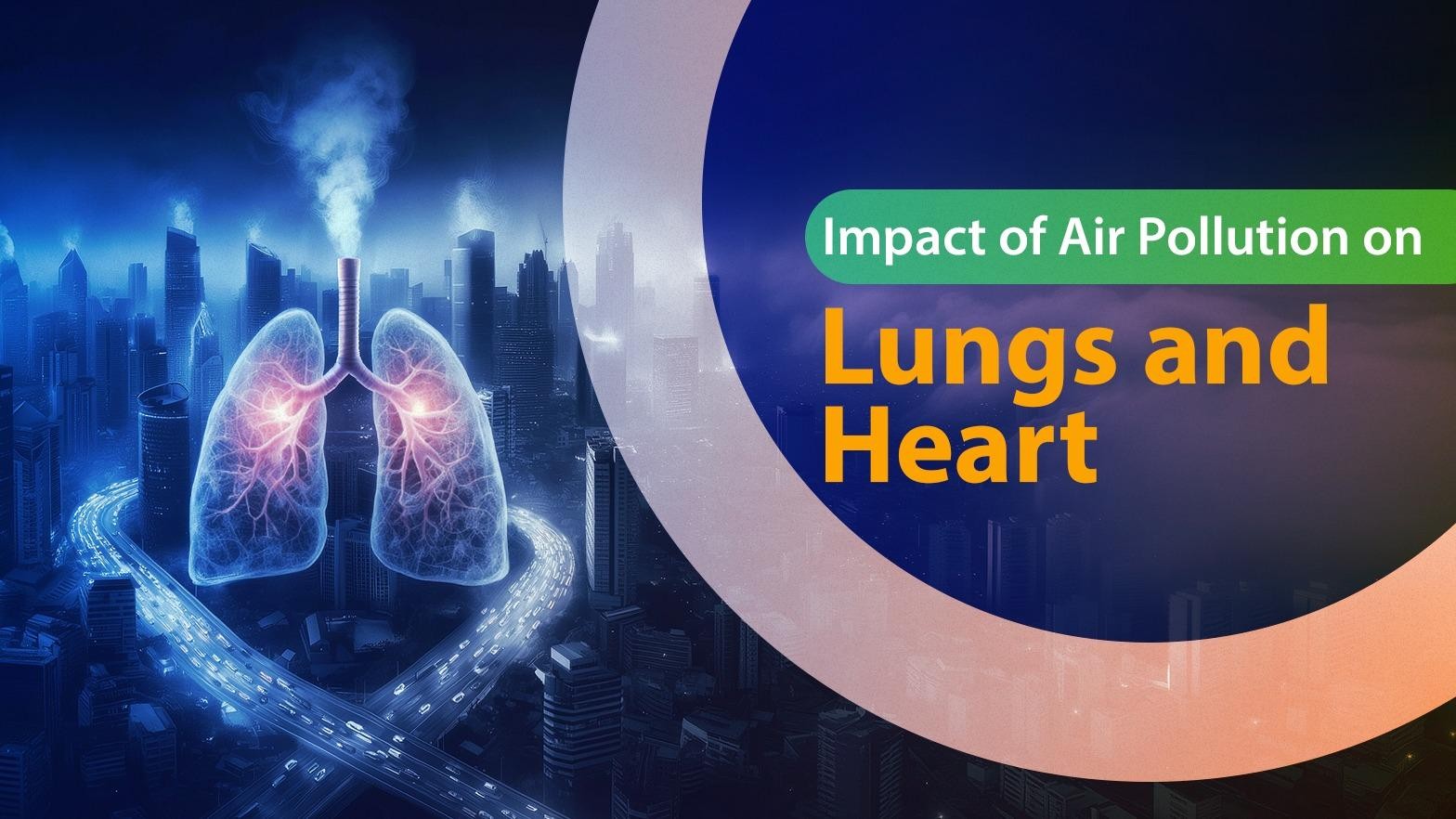
Understanding the Impact of Air Pollution on Lungs and Heart
We speak a lot about air pollution that is related to smog, dust and traffic. However, what we do not discuss much is the impact it has on the body internally. The damage is first felt by the lungs and the heart. And with time, even minor exposures may cause severe health issues.
Air pollution is not a problem that is only outdoors. It penetrates houses, work places and schools. It remains in the air that we breathe daily. The first step towards remaining safe is to understand the effects it has on your health and the symptoms to watch out.
What Makes Air Pollution So Harmful?
Air pollution is a combination of gases and harmful particles. These are particulate matter (PM2.5 and PM10), carbon monoxide, nitrogen dioxide, sulphur dioxide and ozone. These contaminants get into the body via the nose and mouth. The initial ones to be affected are the lungs. These particles get into the bloodstream as well. When that occurs, they may get to the heart and even the blood vessels causing permanent damage.
How It Affects the Lungs
Polluted air irritates the lining of the lungs. It makes breathing difficult, especially for people who already have conditions like asthma or bronchitis. But even healthy people may start to notice changes such as:
- Persistent dry cough
- Shortness of breath
- Chest tightness
- Increased mucus production
- Wheezing or whistling sounds while breathing
In children and the elderly, these symptoms often appear faster and can become serious if left untreated. Prolonged exposure to air pollution also increases the risk of developing chronic respiratory diseases like COPD and lung cancer. That is why early prevention and awareness matter.
The Silent Effect on the Heart
What many people don’t realise is that air pollution affects the heart just as much as the lungs. The fine particles can cause inflammation in the blood vessels. This increases the risk of high blood pressure, heart attack and stroke.
In fact, studies have shown that long-term exposure to polluted air can narrow arteries and increase the risk of developing heart disease. People with pre-existing conditions are especially vulnerable. If you notice symptoms like irregular heartbeat, fatigue, chest discomfort or breathlessness during mild activity, it is important to get checked.
This is where expert care comes in. People often seek a vascular specialist doctor when dealing with issues related to blood circulation or heart-related complications triggered by environmental factors.
Why It’s a Growing Concern in Cities
In urban areas, the problem is more severe. Traffic, construction, industrial waste and burning of waste materials make the air unhealthy. Delhi, for example, often records pollution levels that are much higher than the global safety limit.
This puts more pressure on both the lungs and the heart. That is why regular check-ups and early screening are important, especially for people living in cities. If you’re looking for long-term care or have existing heart concerns, many recommend visiting a trusted heart hospital in Delhi, where proper diagnosis and advanced treatment options are available.
What You Can Do to Protect Yourself
You can’t change the air outside, but you can reduce your exposure. Here are a few simple but effective steps:
- Wear a mask when pollution levels are high
- Use air purifiers at home or work
- Avoid outdoor exercise during peak pollution hours
- Stay hydrated to help flush out toxins
- Follow a diet rich in antioxidants
If you have any breathing or heart-related symptoms, don’t delay treatment. Early action can prevent major health issues later.
Final Thoughts
Air pollution is not just an environmental issue. It is a health issue that affects how we breathe, how our heart works and how our body functions every day. The impact is silent but serious. If you’ve been exposed to poor air quality and are experiencing symptoms, consult a vascular specialist doctor available at the Jaipur Golden Hospital. Your lungs and heart deserve the best care.