
 Stents & Implants
 Find a Doctor
 Lab Reports
 Health Checkup
 Book an Appointment
How Stress and Anxiety Affect Your Heart Health
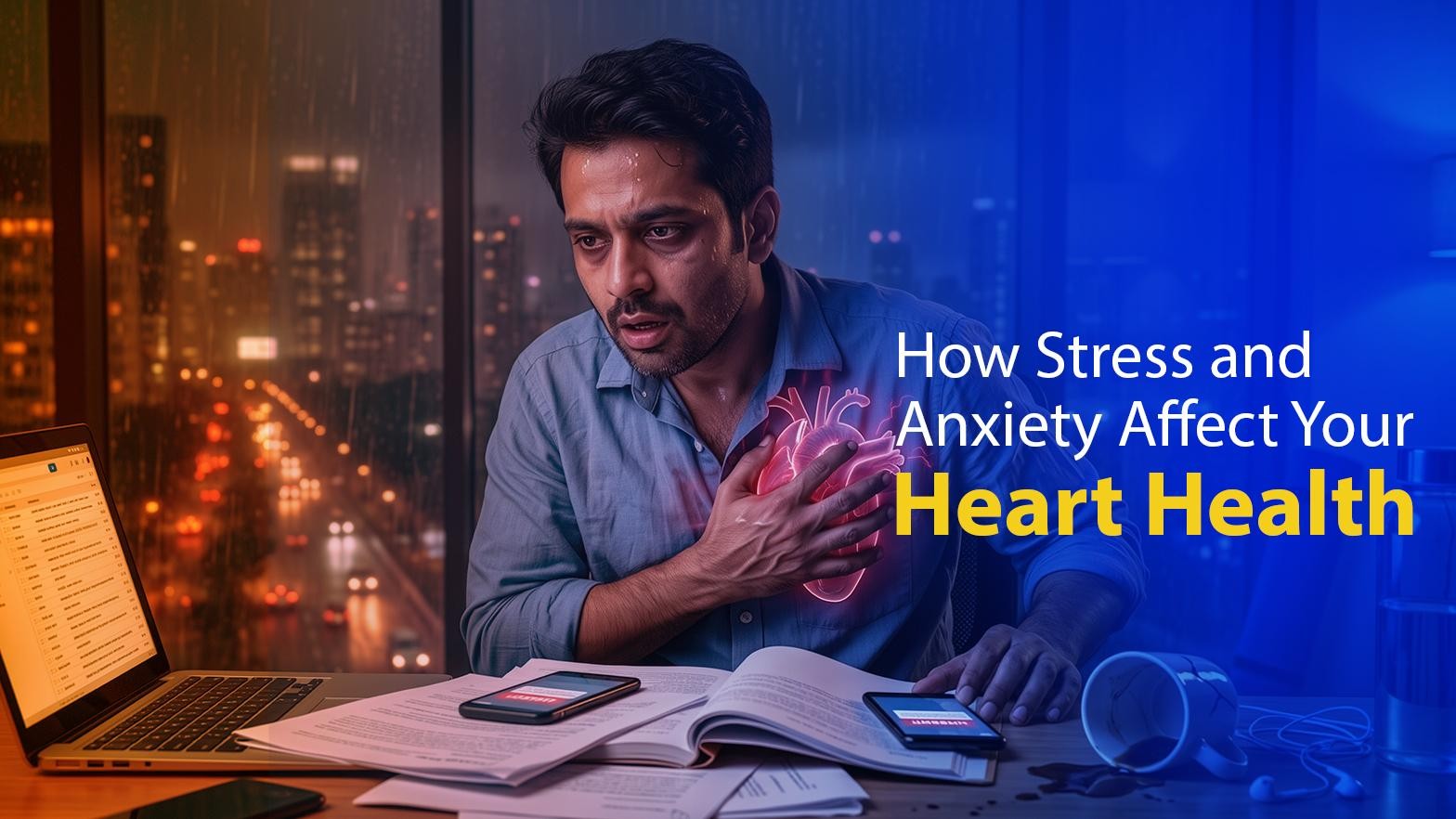
The heart reacts to emotional and psychological triggers in ways that often go unnoticed. Chronic stress and unmanaged anxiety can change how your heart behaves, sometimes leading to long-term problems. Many people ignore these early signs or link them only to external pressure.
However, your heart listens to your emotions more closely than you realise! For individuals searching for the best heart hospital in Delhi, it is crucial to recognise these symptoms early. Timely intervention may prevent complications and restore stability.
Understanding the Stress-Heart Mechanism
Whenever you get anxious, your brain transmits distress signals to the body. This causes the release of adrenaline that raises the heart rate and constricts blood vessels. Despite the fact that this reaction is useful during emergencies, it leads to unnecessary load on your heart when it is activated several times. Stress in the long term may be a contributory factor to -.
- Increased blood pressure in the resting period.
- Disturbed sleeping habits that augment heart weariness.
- Aberrant heart beats during times of concern.
- Decreased blood supply to body organs.
Patients at Jaipur Golden Hospital are often surprised when emotional stress is identified as the root cause of cardiac symptoms. That is why the institution focuses not just on heart treatment, but on emotional analysis as well.
Common Triggers That Affect Heart Rhythm
Stress is rarely about one dramatic event. Often, a combination of daily stressors leads to chronic tension. You may not notice how they are building up until the symptoms begin to appear. Some triggers include –
- Constant pressure from work combined with family responsibilities.
- Social isolation plus lack of emotional outlets.
- Financial uncertainty paired with health concerns.
- Past trauma along with present lifestyle imbalance.
These triggers, when combined with poor sleep or diet, contribute to a biological chain reaction. The end result is often a tired, overworked heart struggling to maintain regularity.
Symptoms That Should Prompt Action
Recognising the symptoms of stress-related heart trouble is essential. While some signs may seem minor, repetition often signals a deeper problem. Here are key warning signs:
- A tight feeling in the chest during anxious moments.
- Fatigue even after eight hours of rest.
- Mild breathlessness while walking short distances.
- Sensation of skipped heartbeats in calm situations.
These signs do not always mean you are having a heart attack. However, if they persist, you should consult the best cardiologist in Delhi for a proper evaluation. Medical teams at Jaipur Golden Hospital are trained to diagnose these subtle yet significant patterns.
Early Screening Benefits: Not Just For Seniors
Some of the myths are that heart screenings are not used by individuals who are over 60. Even young professionals are exhibiting signs of heart dysfunction with increasing levels of stress. Screening helps in:
- Identifying irregular heart rhythms linked with anxiety.
- Detecting blood pressure spikes during emotional episodes.
- Offering diet and activity suggestions for better stability.
- Reducing long-term risks through early medication or therapy.
Choosing the best cardiologist doctor in Delhi ensures that you receive not just treatment but long-term guidance suited to your emotional needs as well.
Lifestyle Adjustments That Help Protect The Heart
You cannot remove stress entirely, but you can control how your body reacts to it. Even small steps can reduce the load on your heart. Here are lifestyle strategies worth adopting –
- Set aside 30 minutes daily for light physical activity such as yoga or brisk walking.
- Limit caffeine intake, especially during late evenings or stressful days.
- Take short technology breaks to reduce digital fatigue.
- Practise breathing techniques paired with light meditation for 10 minutes.
These activities restore calm and support cardiac function by reducing the nervous system’s overreaction to stress. They may appear simple, but they are powerful when applied consistently.
Who Should Consult A Cardiologist?
It is better to be cautious than regret a missed diagnosis. Consider consulting a cardiologist if –
- You experience heart palpitations linked with worry.
- Your sleep is poor despite no visible lifestyle causes.
- You feel anxious before basic tasks such as walking or bathing.
- Your family history includes early cardiac problems.
You do not need a medical emergency to consult the best cardiologist in Delhi. At Jaipur Golden Hospital, even mild symptoms are treated with full attention and respect.
What Makes JGH A Trusted Name In Heart Care?
With its skilled medical team, advanced diagnostic units, and commitment to emotional wellness, Jaipur Golden Hospital offers full-spectrum heart care. Be it a general check-up or post-surgery therapy, JGH combines experience with compassion. Patients receive personalised advice based on their lifestyle and mental state, not just physical reports. That is what makes JGH a reliable choice among Delhi’s medical institutions.
Conclusion: Listen To What Your Heart Is Telling You
Your heart does not just respond to cholesterol or blocked arteries. It responds to your feelings, your stress, and your sleepless nights. Understanding that connection is the first step towards better heart health.
Anxiety does not need to become a lifelong companion. Through early intervention, consistent monitoring, and emotional support, you can regain control. Let your heart breathe with ease [both physically and emotionally].
FAQs
Do yoga and meditation improve heart health?
Yes. These practices help regulate breathing, calm the nervous system, and reduce blood pressure. They support better heart function when practised regularly and consistently over time.
What is the effect of stress and anxiety on our hearts?
They cause the heart to beat faster, elevate blood pressure and cause hormonal reactions. In the long-term, such effects can lead to heart rhythm problems and permanent cardiovascular harm.
What are some of the reasons why I should visit a cardiologist?
See a heart doctor when you feel chest tightness, irregular heartbeat, or feel tired when under emotional stress. Strong indicators are also family history and frequent episodes of anxiety.