
 Stents & Implants
 Find a Doctor
 Lab Reports
 Health Checkup
 Book an Appointment
Why Choosing the Best Child Hospital Matters for Your Child’s Health
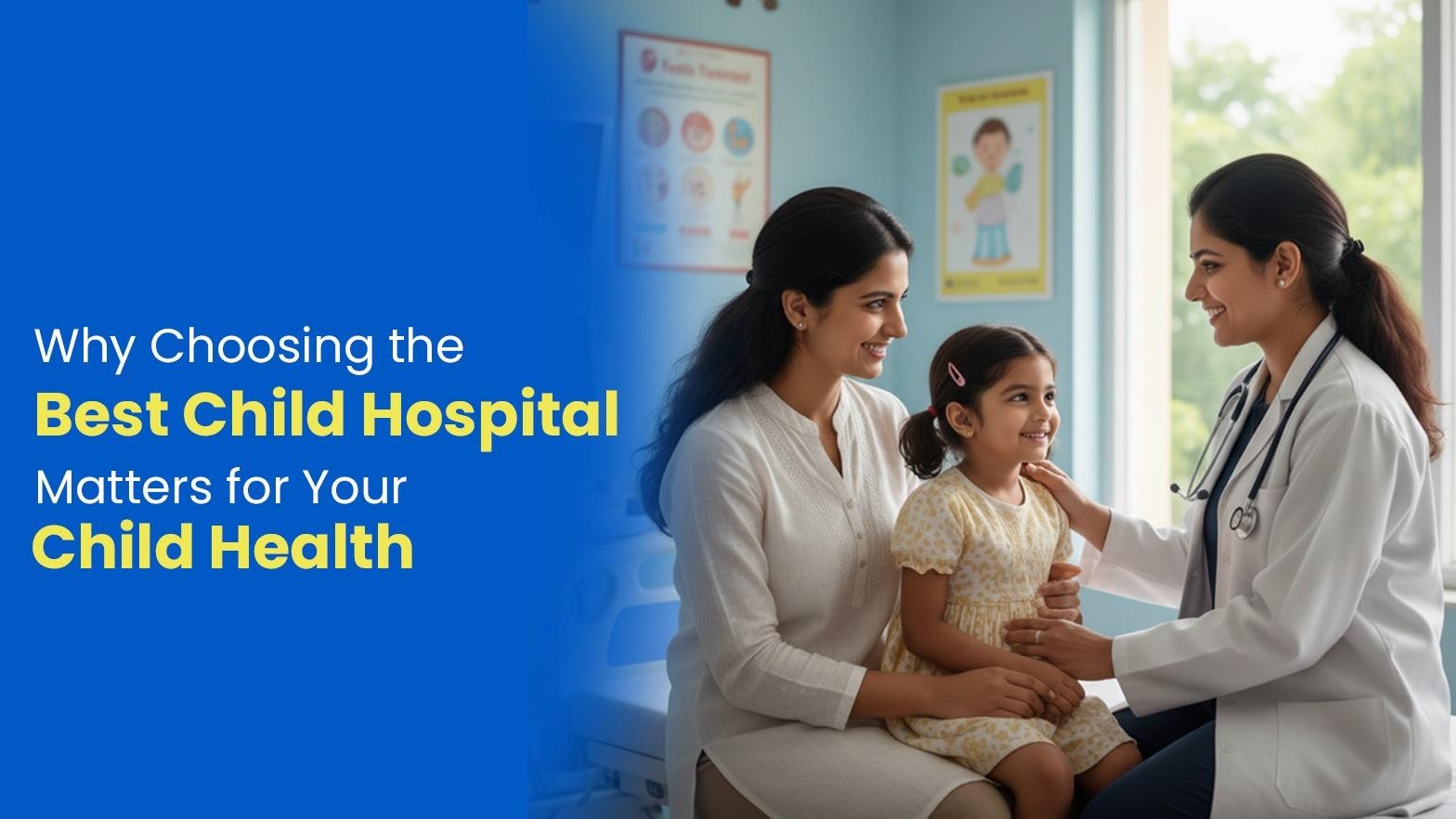
Parents notice small changes in their children almost immediately. A mild fever. A cough that stays longer than expected. A sudden drop in appetite. These moments often lead to the same question. Where should we take the child for treatment?
Many families first visit a nearby clinic. Sometimes that works well. Other times, the symptoms continue for several days. At that point, parents start searching for the best children’s hospital in Delhi because children require medical care that considers their age, growth, and developing immunity.
Here is why the hospital choice often influences how quickly a child receives proper care.
Children Need Doctors Who Focus on Paediatric Care
Children respond to illness differently from adults. Their bodies grow quickly. Immune systems continue to develop through childhood. Even medicine doses change depending on age and body weight.
Doctors trained in paediatric medicine study these patterns carefully. They learn how childhood diseases appear and how symptoms change in infants, toddlers, and teenagers.
The World Health Organisation states that children require medical care suited to their stage of development because growth and immune responses differ across childhood.¹
Parents often look for the best child specialist in Delhi because these doctors understand how to evaluate childhood symptoms without causing unnecessary stress for the child.
A Child-Friendly Environment Makes a Real Difference
Children often feel anxious in unfamiliar environments. Bright lights, crowded waiting rooms, and loud medical equipment can make them nervous. When a child becomes uncomfortable, medical examination becomes harder for doctors.
Paediatric hospitals usually organise spaces that feel calmer for young patients. Doctors and nurses speak gently and explain procedures slowly. Small details such as shorter waiting times and child-friendly wards can make medical visits less stressful.
Many parents choose hospitals such as Jeewan Garg Hospital when looking for Pediatric Hospitals in Delhi, where doctors and nurses work regularly with children.
Early Diagnosis Helps Doctors Act Faster
Children sometimes develop symptoms quickly. Fever may rise within hours. Dehydration can occur during stomach infections. Early testing often helps doctors understand the cause of illness sooner.
One medical test used during infection screening is C-reactive protein (CRP). Doctors measure this marker in blood tests to detect inflammation in the body. The National Institutes of Health explains that CRP testing helps doctors evaluate infection and inflammatory conditions.²
When hospitals provide laboratory testing and paediatric consultation in the same place, diagnosis often becomes faster. Parents also receive clearer explanations about treatment.
Growth Monitoring Supports Long-Term Health
Growth percentile assessment is a common study among doctors during such visits. The approach involves the comparison of the measurements of a child with the population data. It assists physicians in knowing whether the development is according to the predicted patterns.
The Centres for Disease Control and Prevention possess growth charts, which are utilised in the world in order to determine the development of children. Through frequent review of these charts, physicians are able to detect the lag in growth early enough and provide guidance to the parents on nutrition or therapy.
Access to Specialists When Children Need Extra Care
Children occasionally require medical attention from more than one specialist. A respiratory infection might require consultation with a pulmonologist. A developmental concern might require a neurologist.
Hospitals with multiple departments simplify this process. Specialists review the child’s reports together and discuss treatment options. Parents avoid travelling between different clinics to meet each doctor.
Families often visit Jeewan Garg Hospital because the hospital provides paediatric consultation along with diagnostic testing and specialist care when required.
Choosing the Right Hospital Matters
Hospitals designed for children provide the environment, diagnostic support, and specialist consultation required for proper care. When parents select the best child hospital in Delhi, they usually focus on experienced paediatric doctors, diagnostic facilities, and a supportive medical team.
Doctors also review indicators such as C-reactive protein (CRP) and growth percentile assessment when evaluating paediatric health. These measurements help doctors detect infections and monitor developmental progress.
Choosing the right hospital often gives parents one important benefit. Confidence that their child receives medical care suited to their stage of growth.
FAQs
1. Why is a hospital appropriate for children?
A child-friendly hospital should contain qualified paediatricians, child-friendly units, and infant/young patient diagnostic facilities.
2. In which cases do parents need to visit a paediatric specialist?
When a child has symptomatic persistent fever, breathing difficulties, loss of appetite, or symptoms which fail to resolve in several days, parents need to see a paediatrician.
3. Do paediatric hospitals differ from general hospitals?
Yes. Paediatric hospitals specialise in the healthcare of children. Specialised training is given to the doctors to diagnose and treat the sicknesses in infants, toddlers and adolescents.
4. What is the importance of a regular paediatric check-up?
Frequent checkups enable the doctors to check the growth, nutrition and development. Early screening assists in identifying possible health issues before they can impact on the long-term health.