
 Stents & Implants
 Find a Doctor
 Lab Reports
 Health Checkup
 Book an Appointment
Full Body Checkup: Why It Is Important After Age 30
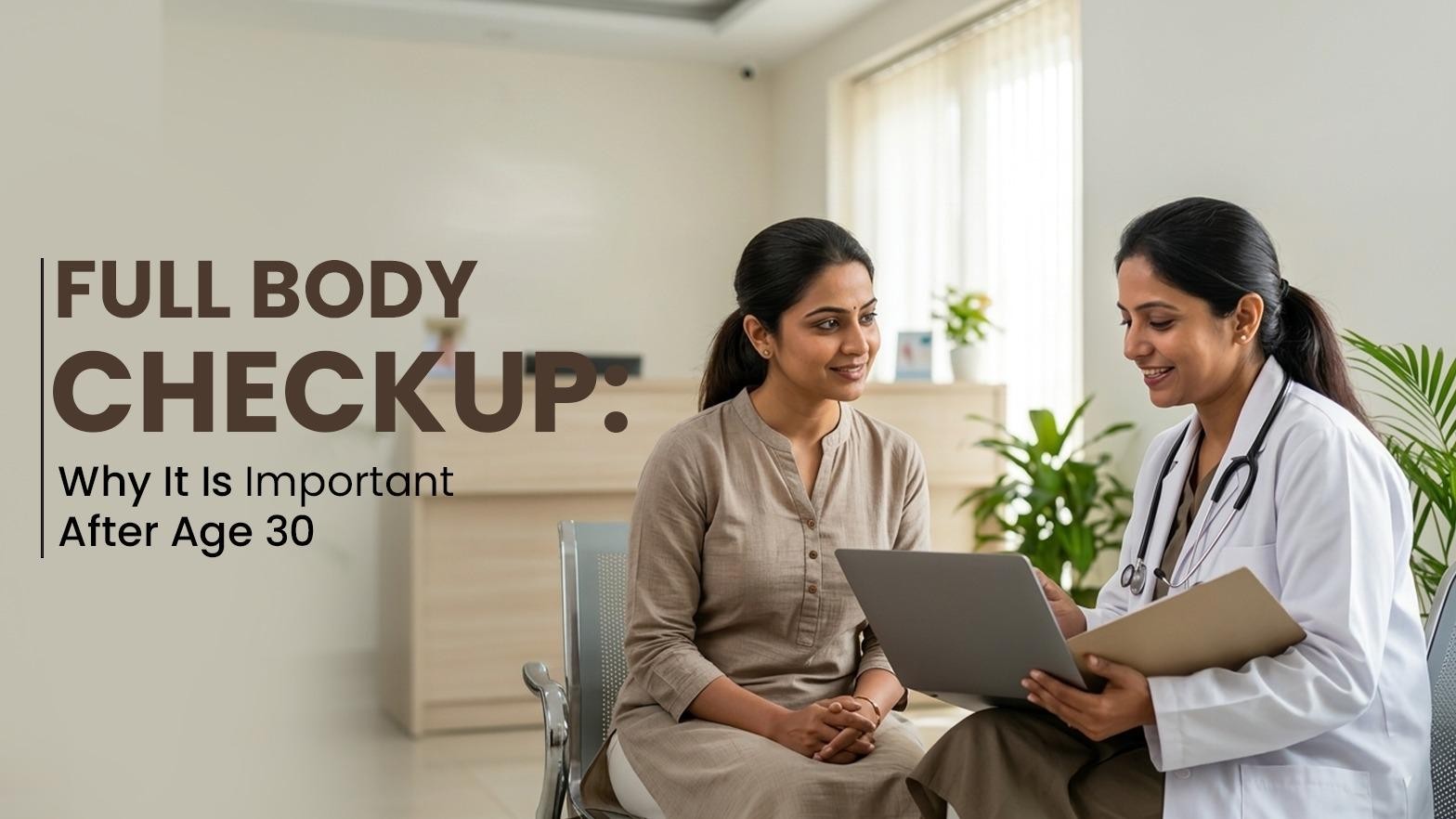
Most people reach their thirties without paying much attention to preventive health screening. Work remains the focus. Family responsibilities increase. A tired evening is usually blamed on a long day rather than a possible health change. Life continues without the habit of regular testing.
At some point, small questions start appearing. Why does fatigue last longer than before? Why does sleep feel less refreshing? Why do routine activities sometimes feel more demanding than they used to?
These moments often lead people to their first full-body checkup. A checkup does not exist only to diagnose illness. It gives a structured view of how the body is functioning at that stage of life. Doctors review test results and identify patterns that may require attention. Here is why many doctors recommend screening after the age of thirty.
The Body Changes Quietly After Thirty
The human body rarely announces internal changes loudly. Most biological shifts develop slowly over time. Blood pressure may increase slightly. Cholesterol levels may change with diet or stress. Hormones may fluctuate due to sleep patterns and lifestyle habits. A person may feel completely normal while these shifts take place. That is why routine medical screening becomes useful.
According to the World Health Organisation, diseases like heart disease and diabetes are usually acquired over a long period of time. Medical screening can be used to detect risk factors at an early stage before they manifest.
These early signs can be assessed by a complete body examination. Blood tests, radiography, and heart examination give a clear picture of internal health. When issues are identified at an early stage, treatment or lifestyle changes can be initiated earlier. People looking for the best hospital in India often focus on hospitals that provide structured preventive health programmes alongside regular medical care.
Screening Helps Identify Hidden Risk Factors
Let’s break it down. A complete body examination is a comprehensive health picture. Various diagnostic tests are used to test the functionality of various organs. The level of blood sugar is indicative of how the body takes glucose. Lipid profile tests are used to determine the level of cholesterol, which affects the health of the heart. Thyroid tests are tests that study the activity of hormones that influence metabolism and energy levels.
Doctors do not learn these reports independently. They go through the whole collection of outcomes jointly. This assists them in getting a mental picture of the general health. The Indian Council of Medical Research reports that cardiovascular disease and diabetes represent major health concerns in India. Early detection through routine screening allows people to begin medical care before complications develop.²
Many individuals prefer visiting a Best Multi-Speciality hospital in Delhi because doctors from several departments can examine test reports together and recommend the right course of action.
What Happens During a Full Body Checkup
Next steps involve understanding the actual screening process. A full body checkup includes multiple diagnostic evaluations that examine internal health indicators. Doctors may recommend blood investigations, cardiac testing, and imaging studies depending on age and medical history. Common assessments include –
- Blood sugar testing to evaluate glucose levels.
- Lipid profile analysis that measures cholesterol patterns.
- Liver function testing that studies enzyme levels.
- Kidney function testing that examines filtration markers.
- Thyroid evaluation that measures hormone activity.
- Electrocardiogram testing that studies the heart rhythm.
When doctors combine these results, they gain insight into how the body is functioning. The tests also show whether lifestyle habits are influencing health indicators.
Many residents in Delhi seek medical care at Jeewan Garg Hospital when they need a multi-speciality hospital in Delhi that offers diagnostic testing along with specialist consultation.
Reassurance Matters As Well
A full body checkup also provides reassurance. Many people carry silent concerns about their health after entering their thirties. Medical testing offers clarity. Normal results confirm that the body is functioning well. If doctors notice unusual markers, they can investigate further and begin treatment early.
Hospitals such as Jeewan Garg Hospital provide preventive health screening services that help patients monitor their health regularly. People searching for the best hospital in India often prefer hospitals that combine diagnostic testing with specialist consultation in one location.
Taking a Practical Approach to Health
Health rarely changes overnight. Most medical conditions develop through small internal changes that appear gradually. Routine screening helps people stay aware of these changes. Doctors analyse test results and recommend lifestyle improvements or medical treatment when required.
Adults who begin regular health screening after the age of thirty often find it easier to maintain stable health as they grow older. Awareness helps people make better choices about diet, physical activity, and long-term wellbeing. A simple checkup can reveal information that might otherwise remain hidden for years.
FAQs
- Why do physicians prescribe a complete body examination beyond the age of thirty?
Doctors recommend frequent health examinations after thirty years because metabolic changes tend to begin at this age. Testing helps in identifying the alterations in cholesterol, blood pressure, and blood sugar before the symptoms appear.
- How often is a full body checkup supposed to be done?
Many doctors recommend that one should undergo a complete health check once every year after the age of thirty. Patients with underlying medical conditions may require more frequent monitoring as advised by the medical practitioners.
- What are the common tests in a full-body checkup?
A standard screening programme consists of blood sugar, cholesterol, thyroid, liver and kidney, and heart rhythm screening with an electrocardiogram.
- Do routine health examinations help to avoid serious diseases?
Regular check-ups cannot prevent all diseases. It enables physicians to identify early warning signs and initiate treatment or lifestyle modifications before severe complications arise.