
 Stents & Implants
 Find a Doctor
 Lab Reports
 Health Checkup
 Book an Appointment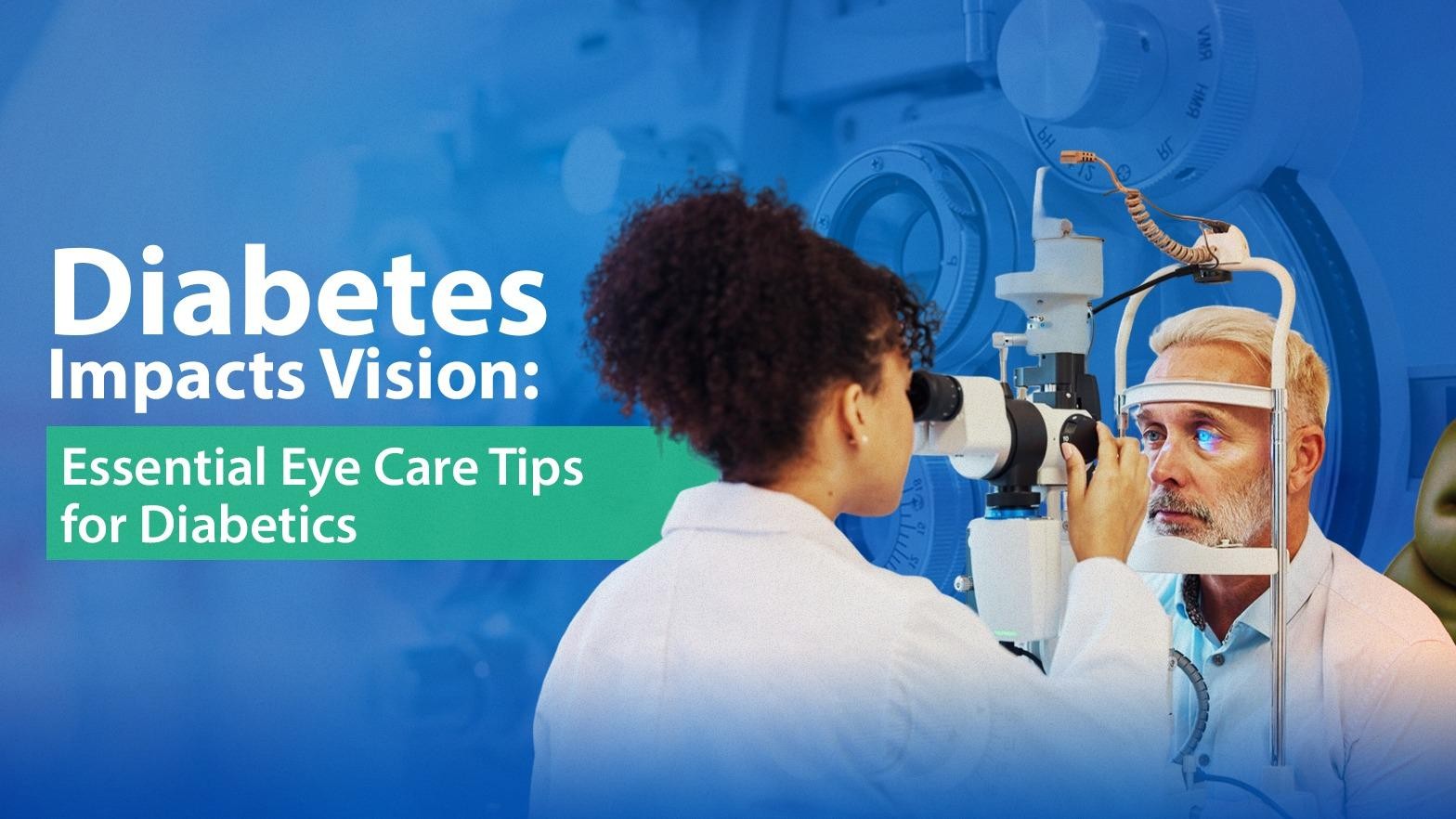
How Diabetes Impacts Vision: Essential Eye Care Tips for Diabetics
Diabetes affects more than just blood sugar levels. It also impacts your eyes. Many people do not realise that one of the most common complications of diabetes is vision loss. The positive thing is that it is preventable when taken care of properly.
This is the reason diabetic eye care must form a component of all diabetes management programs. Whether you have diabetes or you have a loved one with diabetes, here is what you should know about how diabetes can impact your vision and what you can do to take care of your eyes.
Why Diabetes Affects the Eyes
When the sugar level in the blood is high, the small blood vessels in the body are destroyed. Blood vessels in the eyes are very small and delicate. When such vessels break, they seep or clog up, decreasing the amount of oxygen and nutrients that reach the retina. These aspects contribute to the following diabetic eye conditions:
- Diabetic retinopathy
- Diabetic macular oedema
- Glaucoma
- Cataracts
These conditions do not always show early symptoms. That is why regular eye check-ups are so important.
Diabetic Retinopathy: What to Watch Out For
This is the most common eye disease linked to diabetes. It begins with mild changes in the retina but can lead to complete vision loss if left untreated. You may not notice anything in the early stages. But as it progresses, you might see:
- Blurred or fluctuating vision
- Dark spots or floaters
- Difficulty seeing at night
Early detection can stop it from getting worse. So, even if your vision seems fine, make it a habit to get your eyes examined at least once a year.
Everyday Habits That Support Diabetic Eye Care
Managing your blood sugar is the first step. But diabetic eye care goes beyond that. Here are a few simple steps you can take to protect your eyes:
- Control blood pressure and cholesterol: High blood pressure and high cholesterol put extra pressure on the eyes. Keep them in check to reduce risk.
- Quit smoking: Smoking makes diabetic eye diseases worse. If you smoke, take steps to stop.
- Eat for your eyes: A diet rich in leafy greens, fruits, and omega-3 fatty acids helps your eyes stay healthy. Limit processed sugar and saturated fats.
- Monitor vision changes: Any sudden change in your vision should be taken seriously. If you notice blurring, spots or light flashes, see an eye doctor immediately.
- Wear sunglasses: Protect your eyes from UV rays when outdoors. This small habit can help delay the progression of cataracts.
The Role of Regular Eye Exams
People with diabetes should get a comprehensive eye exam once a year. This should include a dilated eye test so that the back of the eye can be checked in detail. These exams can catch early signs of disease before you notice any changes in vision. If problems are found early, treatments like laser therapy, injections or surgery can help save your sight.
When to Visit a Specialist
If your doctor suspects any eye complications, they will refer you to a retina specialist or ophthalmologist. You do not need to wait for symptoms. Preventive visits can make all the difference. If you are looking for reliable care, always choose a facility that has experience in treating diabetic eye conditions.
Many people look for the best hospital in Delhi NCR for such specialised services, especially those offering both endocrinology and ophthalmology support under one roof. Be sure to connect with the Jaipur Golden Hospital to avail top-tier services from experienced professionals.
Taking the First Step Towards Healthy Vision
You cannot reverse all the effects of diabetes on the eyes, but you can slow them down. With timely checks, a healthy lifestyle and the right medical care, vision loss can often be prevented. Are you taking care of your eyes as part of your diabetes plan? Prioritise diabetic eye care today and keep your vision clear for the years ahead.