
 Stents & Implants
 Find a Doctor
 Lab Reports
 Health Checkup
 Book an Appointment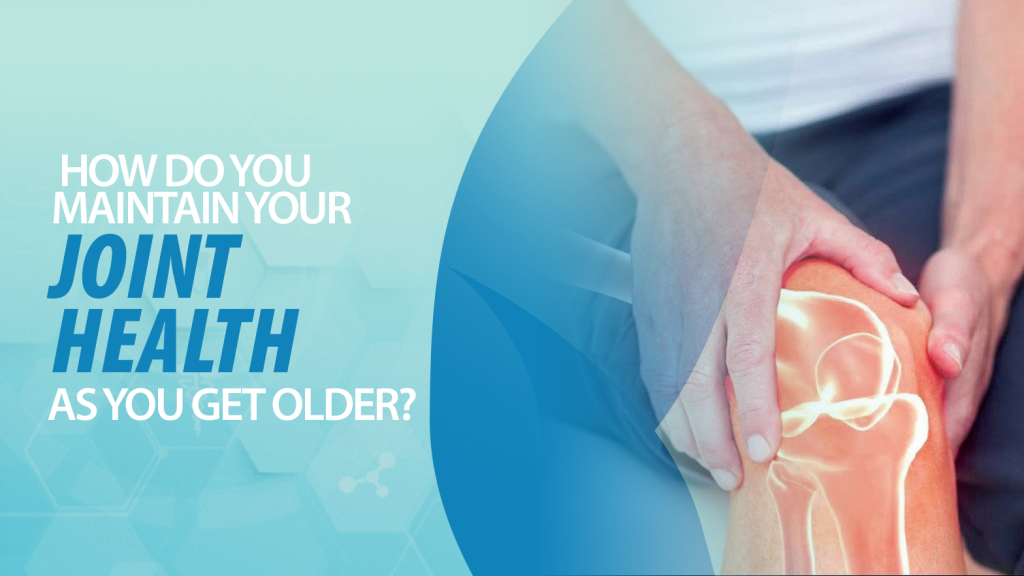
How Do You Maintain Your Joint Health As You Get Older?
The preservation of joint health plays a crucial role for older individuals as it helps them to maintain freedom of movement and self-sufficiency and achieve better life quality. Bones connect at joints through cartilage pads, incorporating ligaments and tendons with their associated muscles to provide stability.
Repeated use of these components causes them to deteriorate, resulting in stiffness, and discomfort and may lead to arthritis as a chronic condition. The correct joint care strategies enable you to maintain both joint health and function throughout your ageing years.
1. Maintain a Healthy Weight
When you carry more body weight than recommended, your weight-bearing joints—which include knees, hips, and lower back—experience increased stress. The added pressure quickly damages cartilage tissue thus increasing the chance of developing osteoarthritis. Your body’s weight management through proper nutrition and exercise controls joint stress and protects both joint structure and function.
2. Engage in Regular Physical Activity
Exercise is crucial for joint health because it builds joint-supporting muscle strength and increases flexibility and circulation. Walking, swimming, and cycling are excellent low-impact exercises that promote joint mobility without added stress. Strength training, stretching, and balance activities also help stabilize joints and reduce fall risk.
3. Follow a Joint-Friendly Diet
Following an anti-inflammatory diet supports joint health. Include omega-3 fatty acids from salmon and other fatty fish, as these help reduce inflammation. Fruits, vegetables, nuts, and whole grains provide essential vitamins, minerals, and antioxidants. Adequate intake of vitamin D and calcium is essential for bone and joint strength.
4. Protect Your Joints Throughout Your Daily Activities
Proper body mechanics help prevent joint injuries. Maintain good posture, especially when lifting. Use stronger joints and muscles for tasks and avoid repetitive movements that could lead to overuse injuries. Use assistive devices as needed to reduce pressure on vulnerable joints.
5. Stay Hydrated
Cartilage—the tissue that cushions joints—is mostly made of water. Staying hydrated keeps cartilage flexible and functional, allowing it to absorb shock. When dehydrated, joints can become stiff and painful. Drink plenty of water daily, especially during physical activity or hot weather.
6. Manage Stress Effectively
Prolonged stress can tense muscles and promote inflammation, worsening joint pain. Practice stress-reducing techniques like meditation, yoga, and deep breathing. Positive thinking and emotional wellness also support long-term joint care by encouraging consistent healthy habits.
7. Avoid Joint Overuse and Injury
While staying active is important, avoid overuse. Warm up before and cool down after exercise. Listen to your body and don’t push through pain—it can lead to injury. Allow time for rest and recovery, giving joints a chance to heal and stay healthy.
8. Regular Check-Ups and Early Intervention
Routine medical check-ups help detect early joint problems. Consult a doctor if you experience ongoing pain, swelling, stiffness, or reduced mobility. The best orthopaedic doctor in Delhi can offer expert diagnosis and tailored treatment options to preserve your joint health.
9. Consider Joint Supplements
Supplements like glucosamine, chondroitin, and omega-3s may help reduce inflammation and support cartilage health. However, always consult your healthcare provider before starting supplements to ensure they are appropriate for your condition.
10. Access Professional Support When Needed
People with joint conditions or severe symptoms should seek professional care. A trusted orthopaedic hospital in Delhi can provide diagnostics, physical therapy, and advanced treatments, including minimally invasive surgeries. Early intervention offers the best outcomes for long-term joint mobility and pain relief.
Final Overview
A complete joint care plan includes regular physical activity, proper nutrition, hydration, and joint protection strategies. Early diagnosis and timely treatment can prevent progression of joint issues and significantly improve quality of life.
For expert care, consult the best orthopaedic doctor in Delhi or visit Jaipur Golden Hospital for comprehensive diagnosis, guidance, and treatment tailored to your joint health needs.