
 Stents & Implants
 Find a Doctor
 Lab Reports
 Health Checkup
 Book an Appointment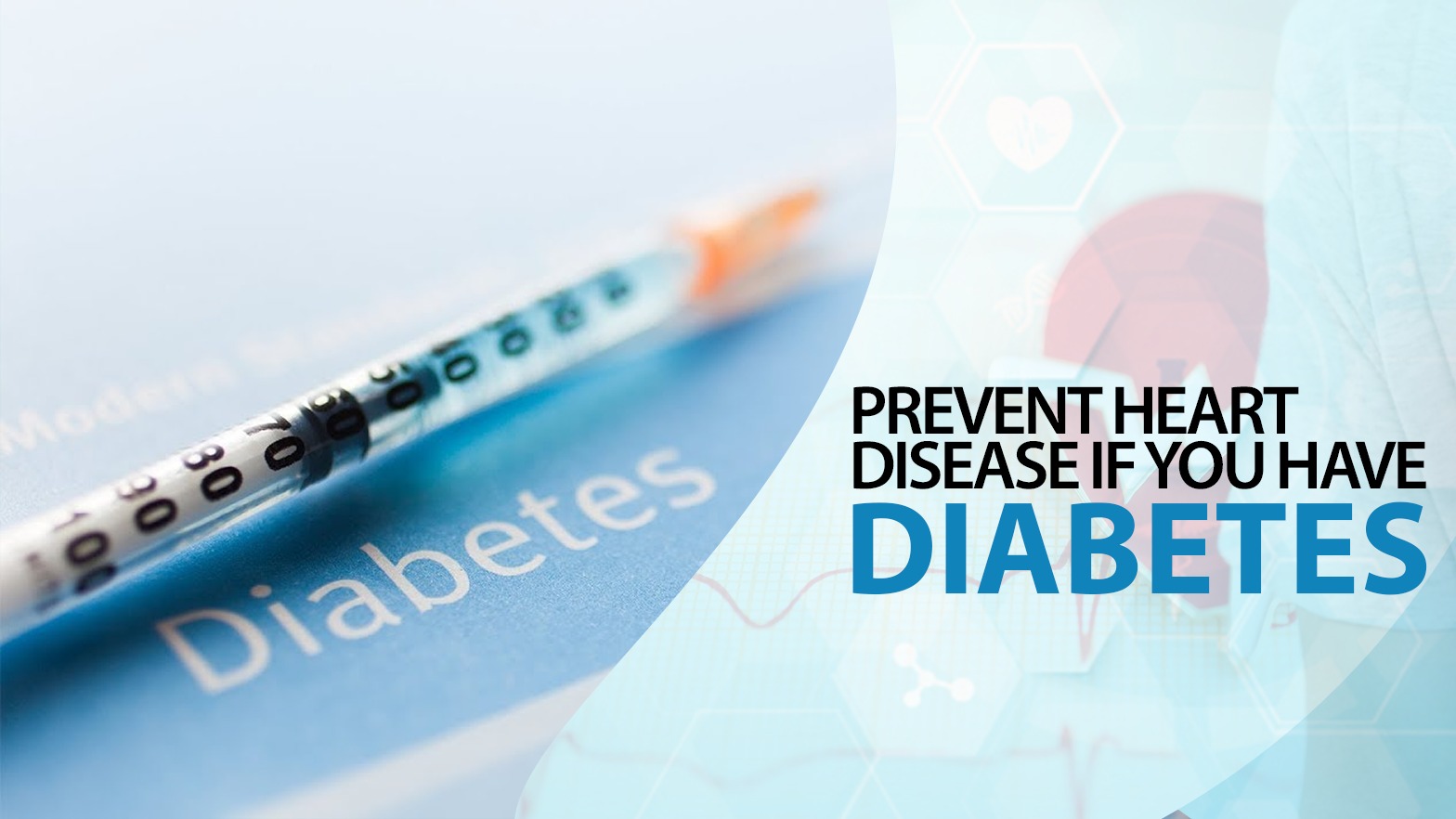
How to Prevent Heart Disease If You Have Diabetes?
Living with diabetes requires constant attention to diet, lifestyle, and overall health, but one of the most significant risks often overlooked is heart disease. Diabetes and heart disease are closely linked, making it crucial for individuals with diabetes to take proactive measures to protect their cardiovascular health. If you have diabetes, you may already know that high blood sugar can damage blood vessels, but the real danger lies in how this affects your heart. The good news is that by making key lifestyle changes and seeking expert guidance from a heart specialist in Delhi, you can significantly lower your risk of heart disease and enjoy a healthier life.
The Link Between Diabetes and Heart Disease
Diabetes is a disease that affects the normal functioning of the body and the blood vessels, particularly the heart. In the long run, high blood sugar levels cause the blood vessels to become inflamed and develop plaques, which narrow the blood vessels, a condition known as atherosclerosis. This, in turn, increases the risk of heart attacks, stroke, and other cardiovascular disease-related ailments. Moreover, most diabetic patients also suffer from high blood pressure and high cholesterol levels, which aggravate the situation. You can visit a heart hospital in Delhi to be advised on the connection between diabetes and heart disease and also the prevention measures that may apply to your situation.
Ways to Manage Blood Sugar to Lower Heart Disease Risk
The only way to prevent heart disease is to ensure that blood sugar levels are well-regulated. Some of the measures include regular visits to the doctor, proper diet, and avoiding situations that may lead to high or low blood sugar levels. Eliminate processed foods and sugary beverages and replace them with whole grain products, lean meats, and healthy fats. Physical activity is very useful in controlling blood glucose levels, improving blood circulation, and the general health of the heart. Regular exercise, such as aerobic exercise for 30 minutes a day, five days a week, helps in the prevention of heart disease. Consult a heart specialist in Delhi to learn the proper diet and exercise plan for healthy living.
Heart-Healthy Lifestyle Choices
Apart from regulating blood glucose, some modifications to lifestyle can be helpful in enhancing the heart’s health. Smoking is one of the most lethal activities that has adverse impacts on the heart and diabetes. Not only does it increase blood sugar levels, but it also affects the arteries and hence causes heart disease. Avoiding cigarettes, alcohol, and stress through meditation, yoga, or breathing exercises can help in enhancing the condition of the heart. Even simple changes, such as getting enough sleep and drinking water, are also helpful for the heart in the long run.
The Role of Medication and Regular Check-Ups
Diabetes patients require medications for regulating blood sugar, blood pressure, and cholesterol. A visit to a heart specialist in Delhi and following the prescribed treatments ensures that one is checked for any sign of a newly developing problem. ECG, blood tests, stress tests, and other tests should be taken periodically to check the heart and take necessary measures before complications occur. If any such complications are noticed, it is possible to seek treatment at a heart hospital in Delhi to prevent the situation from worsening.
The Significance of Weight Control
One of the things that people with diabetes should ensure is that they maintain their weight in check. Obesity and abdominal obesity are related to insulin resistance and, therefore, cholesterol and blood pressure, which are the main causes of heart diseases. Consequently, it is possible to maintain weight by exercising, selecting the type of food, and controlling the process on a daily basis. It is recommended that you lose between 5-10% of your total body weight to reduce the risk of heart disease.
Controlling Blood Pressure and Cholesterol Levels
Hypertension and high cholesterol levels are two other diseases that are deadly to diabetic patients. Since they do not show any symptoms, screening is essential. The following are some of the ways through which cholesterol can be controlled: the consumption of fiber-rich foods and omega-3 fatty acids and avoiding foods that contain saturated fats. Another factor that should be controlled is the intake of sodium so that the body’s pressure is regulated. If the above changes do not work, the doctors at a heart hospital in Delhi may prescribe medicines to manage these conditions safely.
The Importance of Mental Well-Being
Stress and mental health are two significant aspects that are linked to diabetes and heart diseases. Stress is a long-term condition, and it increases the cortisol level, which in turn increases the blood sugar level, blood pressure, and poor diet. It is thus important to look for ways of handling stress, such as through hobbies, exercise, or therapy, which will be of great help to the heart. Another factor that can help is having a sound support system and consulting with healthcare providers.
When to Seek Medical Help
Nevertheless, it is always better to prevent such diseases, but one should not fail to notice the signs that may suggest that the disease is severe. These are chest pains, difficulty in breathing, constant tiredness, dizziness, and swelling of the legs, which should not be ignored. One should consult a heart specialist in Delhi to determine whether there is any heart problem that needs treatment. It is, therefore, advisable to seek treatment at a heart hospital in Delhi as early as possible.
Choosing the Right Healthcare Partner
When it comes to heart disease and diabetes, it is worth understanding that professional attention is highly crucial. Diabetes and heart disease are managed by our cardiologists at Jaipur Golden Hospital, which has all the modern diagnostic and treatment facilities. As a patient-oriented hospital, we provide all the services related to the heart health of diabetic patients, including prevention and treatment. To learn more about the ways to prevent heart disease, you should consult our specialists. It is, therefore, essential to understand that your heart health is in your own hands, and with the right help, you can be in a position to improve on it.