
 Stents & Implants
 Find a Doctor
 Lab Reports
 Health Checkup
 Book an Appointment
Rising Heart Disease Risk in Young Adults: Causes, Early Symptoms, and Preventive Strategies
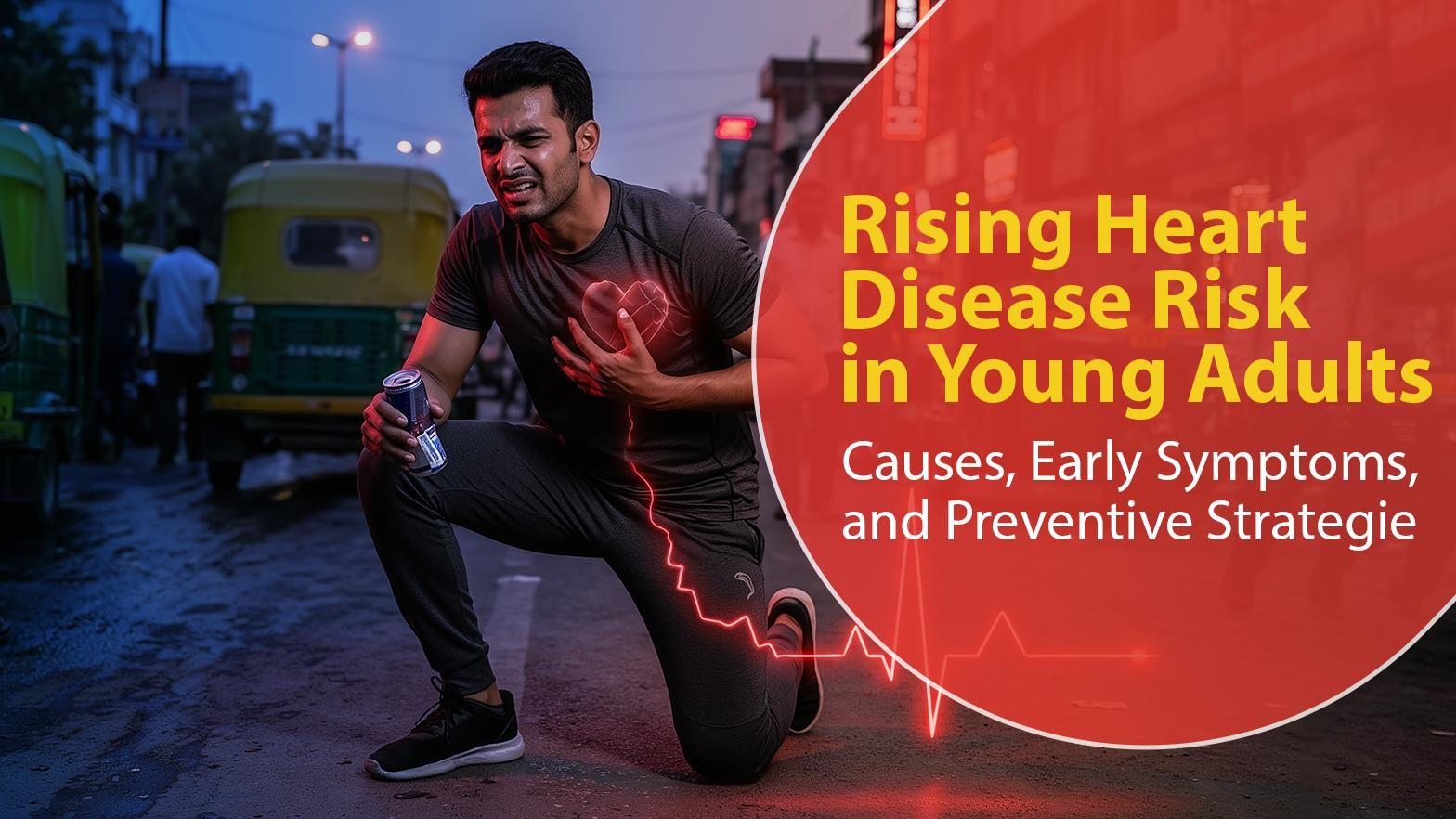
Heart disease is not a condition restricted to older age anymore! Increasingly, cardiologists are seeing young adults with heart-related symptoms that would have been rare two decades ago. The reasons behind this trend are layered. Poor lifestyle choices, long work hours, and unchecked stress are all part of the problem. Ignoring these risks often results in late detection, and in many cases, a complete lack of awareness.
Hospitals such as Jaipur Golden Hospital (JGH) see this pattern regularly in clinical practice. Many young patients arrive only after symptoms interrupt daily life. Early awareness, however, can reduce long term complications. Understanding why this risk is rising is the first step toward protecting heart health.
Why Are Young Adults Facing Higher Cardiac Risk?
Most young individuals do not associate chest pain or fatigue with heart disease. They believe such symptoms relate to diet, sleep, or seasonal stress. This false sense of safety often delays a medical consultation. The combination of poor cardiovascular health and lack of awareness is dangerous. That is why visiting a heart specialist doctor in Delhi for early screening is now being advised even for patients in their late twenties.
Symptoms That Should Never Be Ignored
Heart-related symptoms in young adults do not always follow textbook presentations. A heart attack may begin without crushing chest pain or visible distress. The signs are often subtle and misread. Some of the early symptoms include –
- Mild chest pressure that returns occasionally,
- Dizziness or fatigue without physical strain,
- Shortness of breath while climbing stairs,
- Pain that radiates to the jaw, neck, or shoulder,
- Nausea or cold sweats without illness,
- Heart palpitations or fluttering sensations
These signals should not be dismissed, especially if combined with family history or lifestyle risk. At Jaipur Golden Hospital, such cases are evaluated using ECG, TMT, and lipid profile analysis to catch any abnormalities early. Patients are also counselled on how to track these signs before they escalate.
The Role of Mental and Emotional Health in Cardiac Risk
Mental health is often underestimated in its connection with physical wellbeing. Long-term stress triggers chemical changes in the body. Cortisol levels rise. Blood vessels tighten. The heart pumps faster. Over months and years, these reactions take a toll.
Young adults today face high-pressure environments, whether in education or employment. Work-from-home culture, career insecurities, and personal obligations have blurred boundaries. Sleep is disturbed. Meals are rushed. Movement is minimal. These behaviours increase the load on the cardiovascular system.
Ignoring stress can cause just as much harm as eating poorly. That is why emotional regulation is now recognised as a core aspect of cardiac prevention.
Habits That Increase the Risk of Early Heart Disease
Certain lifestyle patterns are now common among urban youth. While each seems harmless in isolation, their cumulative impact is harmful.
- Late-night eating and lack of hydration
- Smoking as a coping tool during stress
- High caffeine intake, especially through energy drinks
- Lack of structured physical activity
- Irregular sleep cycles or complete sleep deprivation
- Dependence on junk food or skipped meals
Preventing heart disease requires identifying and correcting these habits before damage sets in. Leading hospitals like JGH, a trusted heart hospital in Delhi, offer patient-specific lifestyle counselling alongside clinical evaluation.
Preventive Measures That Offer Lasting Protection
It is not difficult to reduce heart disease risk. The key is consistency. Small but permanent changes offer better results than large, temporary fixes. Effective strategies include:
Eat cleaner meals regularly
Include vegetables, fruit, whole grains, and proteins in daily intake. Avoid heavy sodium, sugar, and saturated fats.
Move daily
Moderate walking for thirty minutes every day can improve circulation and stamina
Hydrate
Drinking water regularly supports healthy blood flow and lowers the risk of clots.
Avoid tobacco and reduce alcohol
Both substances increase heart pressure and damage vessels over time.
Prioritise sleep
Sleeping for six to eight hours helps your body reset and reduces inflammation.
Manage stress intentionally
Try simple breathing, journaling, or structured therapy if necessary.
Final Thought: Do Not Wait for a Warning Sign
Heart disease is not always predictable. It does not always give a warning. Young adults today must act before symptoms arrive. Routine screening, intentional lifestyle changes, and access to expert advice form the foundation of protection.
With hospitals like Jaipur Golden Hospital focusing on proactive care, you do not have to wait until it’s too late. Their cardiac care system integrates diagnosis, treatment, and wellness planning in a setting that values precision and empathy.
If you are in your twenties or thirties and feel uncertain about your risk, take one step. Book a consultation. It is your heart, and your future depends on how you treat it today.
FAQs
Can lifestyle choices increase the risk of developing heart conditions?
Yes. Poor diet, physical inactivity, smoking, stress, and inadequate sleep gradually increase cardiovascular strain and raise the likelihood of heart conditions even in younger adults.
What are the best home remedies to manage heart diseases?
Healthy meals, regular walking, breathing exercises, proper hydration, and reduced salt intake support heart function. These habits work best when coupled with medical guidance rather than as replacements.
How can I improve my heart health?
Heart health improves with balanced nutrition, daily activity, stress management, tobacco avoidance, limited alcohol, and regular check ups with a cardiologist for early risk assessment.