
 Stents & Implants
 Find a Doctor
 Lab Reports
 Health Checkup
 Book an Appointment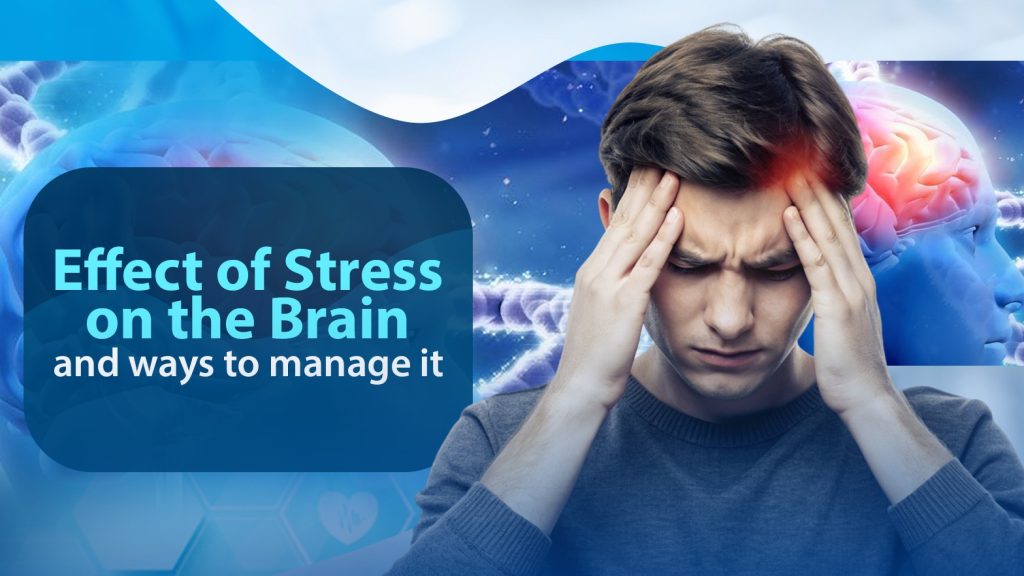
Stressed Out? Discover The Effect Of Stress On The Brain And Ways To Manage It!
In today’s fast-paced world, stress has become a common experience for people of all ages. Whether it’s work pressure, academic responsibilities, financial concerns, or personal challenges, stress can quickly take its toll, not just emotionally, but physically as well.
Among the many parts of the body that suffer, the brain is one of the most affected. Understanding how stress impacts the brain and exploring practical ways to manage it is key to maintaining mental and physical well-being.
What Happens in the Brain During Stress?
The brain recognises stress as a threat, which activates its response system upon exposure. The body activates its “fight or flight” response when a person encounters stress. The hypothalamus activates the adrenal glands to produce stress hormones, including cortisol and adrenaline, through this process. The body needs this protective reaction to handle brief threats, yet extended activation leads to health problems.
High cortisol levels build up in the body to create damage that interferes with brain operations. The hippocampus and prefrontal cortex become affected by stress, which are brain regions vital for memory and learning, decision-making, focus, and impulse control respectively. The brain regions affected by stress become smaller through constant exposure, which results in decreased cognitive abilities, memory retention, and emotional stability.
Mental Health Consequences of Prolonged Stress
Uncontrolled stress will eventually result in severe mental health conditions. Individuals may experience:
- Anxiety and constant worry
- Mood swings or depression
- Difficulty concentrating
- Sleep disturbances
- People with stress experience a reduced capacity to handle normal challenges.
People should seek evaluation from the best neurologist doctor in Delhi when persistent symptoms appear. A neurological assessment will determine whether brain-related conditions exist and provide the necessary treatment direction.
Physical Symptoms Linked to Brain Stress
The connection between brain and body functions means that brain stress typically results in physical health problems. These can include:
- Frequent headaches or migraines
- Tension in the neck and shoulders
- Digestive problems
- Increased heart rate or palpitations
Stress has been known to produce neurological symptoms that include tingling sensations, numbness, and dizziness. People should consult the best neurologist doctor in Delhi when brain-related symptoms persist or affect their day-to-day activities.
Healthy Ways to Manage Stress and Protect the Brain
The right approach enables people to effectively manage their stress, even though complete elimination remains impossible. Several methods exist to maintain stress control while protecting brain health through these strategies:
Practice Mindfulness and Meditation
The practice of mindfulness requires people to stay present without passing judgment. The practice of mindfulness meditation on a regular basis demonstrates its ability to decrease cortisol levels while improving emotional control and boosting concentration abilities. These mental techniques help reshape brain structures through time, which leads to better stress resistance.
Maintain a Balanced Diet
The food we consume creates immediate effects on how our brain operates. A diet consisting of fruits, vegetables, whole grains, and healthy fats will enhance cognitive performance. The brain benefits from omega-3 fatty acids, which exist in walnuts and flaxseeds.
Get Regular Physical Activity
The body produces endorphins through exercise that naturally boost mood. The brain receives better blood circulation through exercise, while stress hormones get removed from the body. Any physical activity, from walking to cycling during your day, will significantly reduce your stress levels.
Create a Healthy Sleep Routine
When people lack sleep, their bodies become more stressed, while their brain functions decline. Quality sleep, between seven to eight hours each night, enables the brain to rest while it recharges and processes emotional information. The combination of limited screen exposure before bedtime with regular sleep timing helps people achieve better sleep quality.
Talk About It
Talking about your concerns to a trusted person or mental health professional helps reduce the weight of emotional stress. When stress remains unresolved, it may need the assistance of professional help. People who experience stress-related memory problems, physical health deterioration, or loss of focus should consult with the best neurologist in Delhi to discover the underlying causes and receive customised treatment.
When to Seek Medical Support
The symptoms of stress can be minimised through lifestyle modifications, yet persistent or severe symptoms might signal neurological problems. Any person who experiences memory problems, confusion, or unusual emotional reactions should immediately contact the best neurologist in Delhi. Early detection enables healthcare providers to stop complications from worsening while delivering prompt medical care.
Conclusion
Life brings stress as a natural element, but excessive brain stress leads to multiple mental and physical health problems. The initial step to control stress requires understanding its effects on brain operations. The combination of mindful practices and healthy living habits, together with appropriate medical care at the right time, enables people to control their stress levels while preserving their brain health in the long term.
Being proactive and informed enables people to maintain calmer and healthier lives. The best neurologist in Delhi provides ongoing professional assistance to people with stress-related problems who need solutions that support their mental and physical well-being.