
 Stents & Implants
 Find a Doctor
 Lab Reports
 Health Checkup
 Book an Appointment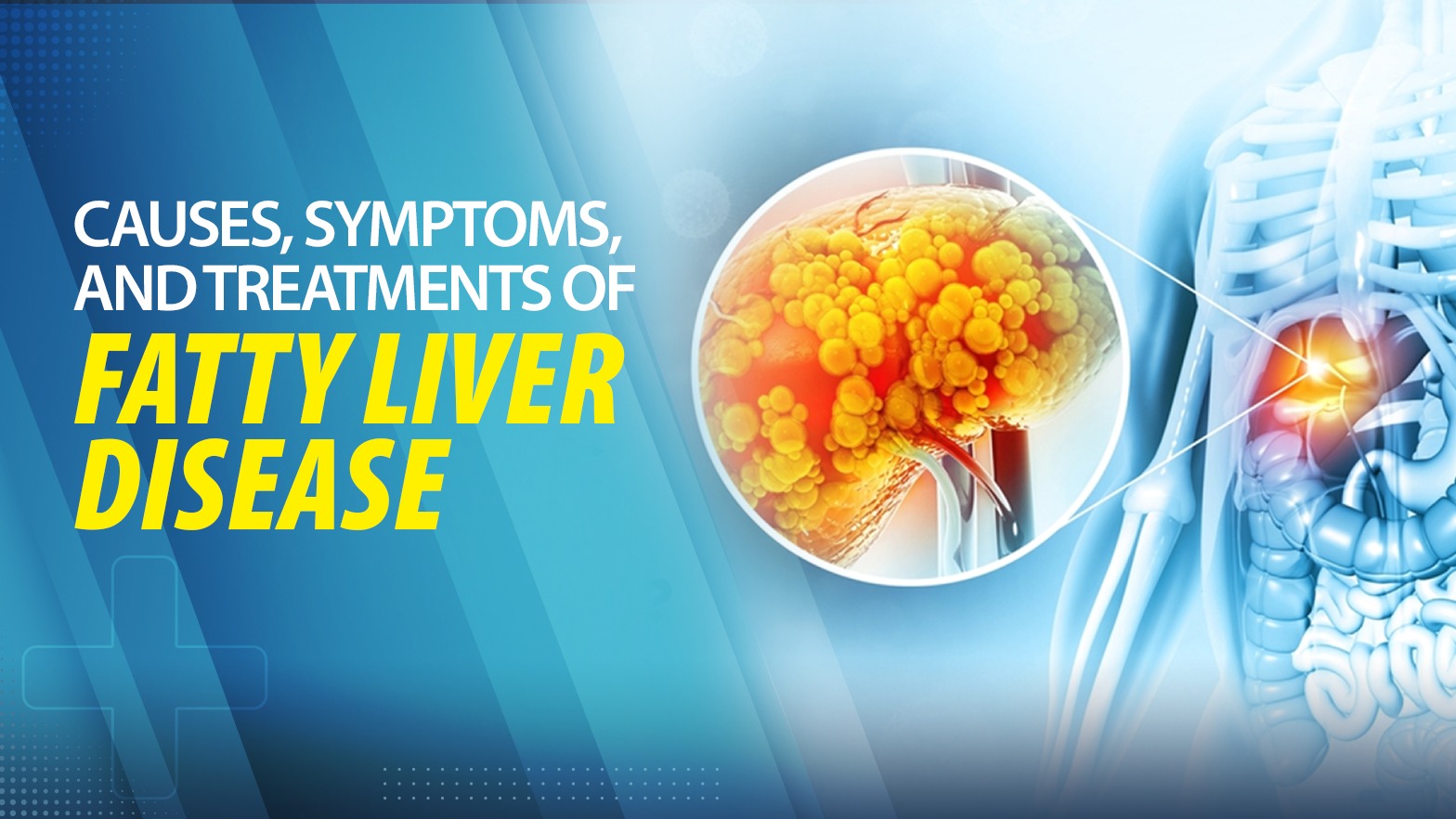
What Are the Causes, Symptoms, and Treatments of Fatty Liver Disease?
Fatty liver disease is becoming an increasingly common health concern, affecting millions worldwide. It occurs when excess fat builds up in the liver, leading to inflammation and potential long-term damage. While many people with fatty liver disease experience no symptoms in the early stages, it can progress to severe complications if left untreated. Understanding its causes, symptoms, and treatment options is essential for maintaining liver health. If you suspect liver issues, seeking expert care at the best liver hospital in Delhi can help diagnose and manage the condition effectively.
Causes of Fatty Liver Disease
There are two types of fatty liver diseases, which are Non-Alcoholic Fatty Liver Disease (NAFLD) and Alcoholic Fatty Liver Disease (AFLD). The primary distinction is the cause: NAFLD is linked to lifestyle, while AFLD is related to alcohol.
NAFLD is related to obesity, insulin resistance, and hypercholesterolemia. Poor dieting, especially a diet characterized by processed foods, sugars, and unhealthy fats, contributes to fat accumulation in the liver. A sedentary lifestyle also contributes to the risk because a sedentary lifestyle leads to obesity and metabolic problems.
AFLD, on the other hand, is a disease that results from the excessive intake of alcohol. Alcohol is metabolized in the liver, and when one consumes it for a long time and in large quantities, it leads to fat accumulation and inflammation of the liver. Other causes that may also lead to the development of fatty liver disease include genetics and other liver diseases. Visiting the best hospital in Delhi for a thorough check-up of the liver may help in determining the cause and the appropriate treatment to be taken.
Symptoms of Fatty Liver Disease
Another factor that makes fatty liver disease referred to as the ‘silent killer’ is the fact that it may not show symptoms in its early stages. However, the following symptoms may be observed as the condition progresses:
- Fatigue and weakness: Since the liver is responsible for producing energy, if it is affected, one is likely to be weak most of the time.
- Unexplained weight loss: Due to the fact that the liver is unable to perform its functions, metabolism may be affected, and the patient may lose weight.
- Pain or discomfort in the upper right abdomen: Some people may experience mild pain or pressure in the liver area.
- Jaundice (yellowing of the skin and eyes): This is an indication that the liver is not functioning correctly and that the disease is in its severe stage.
- Swelling in the legs and abdomen (ascites): This is an accumulation of fluid in the body as a result of liver diseases.
If you have any of these symptoms, it is advisable to seek medical attention from the best liver hospital in Delhi to undergo a check-up and treatment to prevent the situation from getting worse.
Diagnosis and Treatment Options
It is therefore advisable that the disease be diagnosed at an early stage so that it can be well managed. The doctors at the top hospital in Delhi may advise undergoing blood tests, ultrasound, MRI, and in some cases, a liver biopsy to determine the severity of the condition.
Lifestyle Changes for Fatty Liver Management
In most cases of NAFLD, the initial intervention is usually through lifestyle modification. It is recommended that weight loss should be in the range of 5-10% of the total body weight in order to improve liver function and decrease liver fat content. A balanced diet that consists of fruits, vegetables, lean proteins, and whole grains should be taken while avoiding processed foods, sugar, and saturated fats.
Regular exercise is equally important. It is advisable to perform at least 30 minutes of moderate exercise five days a week to improve insulin sensitivity and liver function. Alcohol should be avoided or limited for AFLD and NAFLD patients because it has an adverse effect on the liver.
Medical Treatment and Monitoring
If lifestyle changes are not sufficient, other diseases such as diabetes, high cholesterol, and high blood pressure may be treated with medications. Some suggested supplements include vitamin E and specific drugs that help improve the body’s insulin sensitivity. Regular monitoring of liver function is necessary to prevent the deterioration of the disease.
Advanced Treatment for Severe Cases
If fatty liver disease progresses to NASH or cirrhosis, medications, liver transplant evaluation, and other treatments may be needed. The best liver hospital in Delhi offers advanced treatments for severe liver diseases, which are designed to provide the best care to patients.
When to See a Doctor
It is advised that people should get themselves checked even if they do not feel any discomfort, especially if they are obese, diabetic, or have a history of liver illness in their family. This is because if the disease is not diagnosed early enough, it may lead to liver failure or liver cancer. It is advisable to consult an expert at the best hospital in Delhi to prevent any complications in the future regarding your liver health.
Expert Care at Jaipur Golden Hospital
Fatty liver disease is a health complication that requires attention from a doctor, and Jaipur Golden Hospital is among the best hospitals for liver treatment. It is one of the best liver hospitals in Delhi with top-notch diagnostic services, highly qualified doctors, and various treatment options for patients. If you have any concerns about your liver, it is wise to visit your doctor and begin your journey to a healthier life.