
 Stents & Implants
 Find a Doctor
 Lab Reports
 Health Checkup
 Book an Appointment
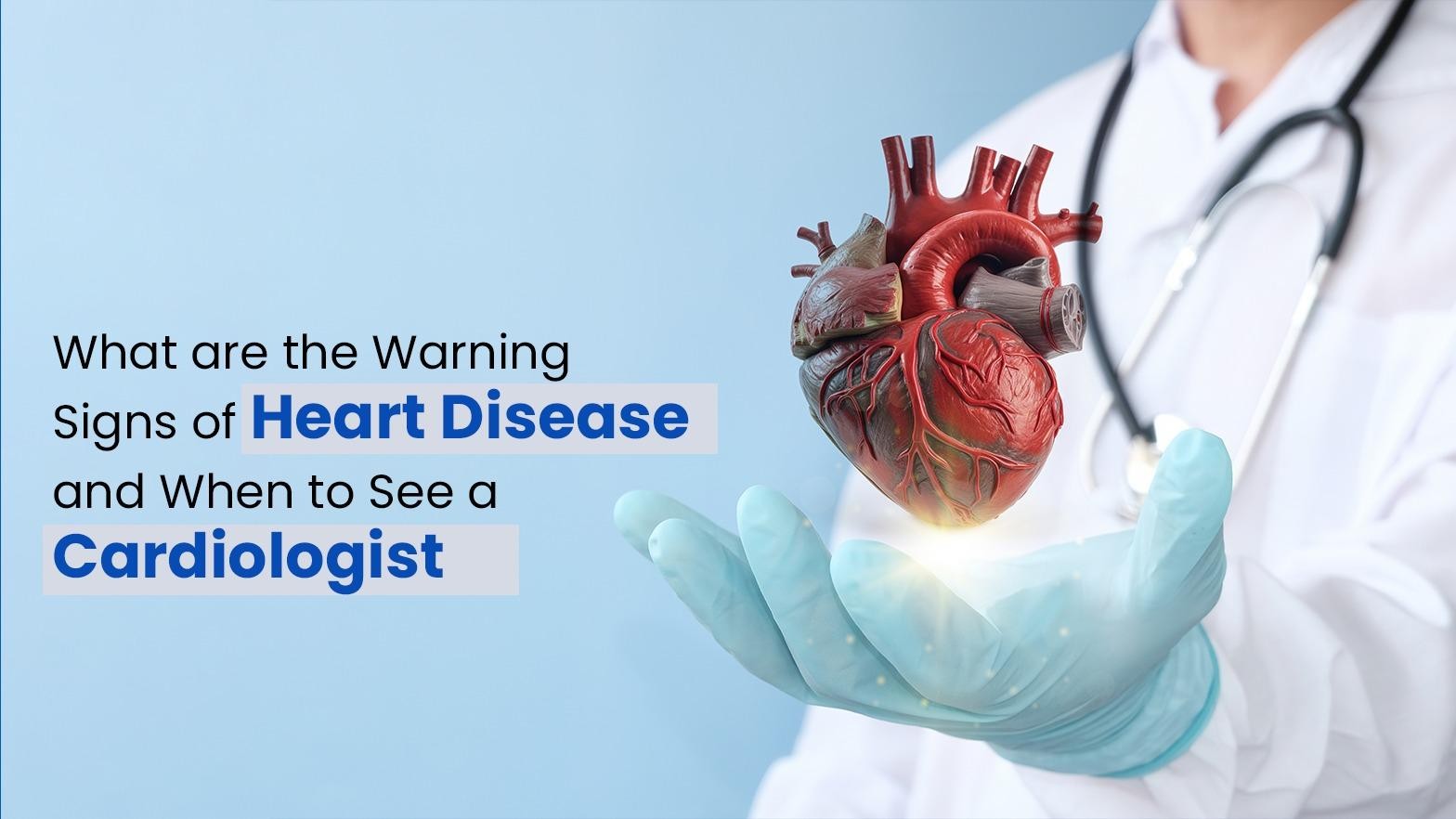
What Are the Warning Signs of Heart Disease and When to See a Cardiologist
Many people ignore early body signals. A strange discomfort appears one day and fades the next. A little breathlessness on the stairs. A dull pressure in the chest that lasts a minute. Most of us brush it aside. I have done that too, thinking it was stress or lack of sleep.
Still, heart disease rarely appears without clues. The body sends quiet signals first. If you listen early, doctors can check the problem before it becomes dangerous.
This is why many people eventually visit a heart specialist in Delhi when symptoms start repeating.
Chest Discomfort That Keeps Returning
Chest pain does not always arrive as intense pain. Sometimes it feels like pressure. Some people describe it as tightness or heaviness. A few feel burning or squeezing.
Here is why doctors pay attention to this symptom.
The American Heart Association explains that recurring chest discomfort may indicate reduced blood flow to the heart. This condition is called Angina. Reduced circulation can signal coronary artery disease.
You should speak with a doctor if chest pressure:
appears during physical activity
returns repeatedly over several days
spreads to the arm, jaw, or neck
feels different from normal muscle pain
Many patients searching for the best heart hospital in Delhi start their journey because of this exact symptom.
Shortness of Breath During Normal Activity
The next sign often feels subtle. Breathing becomes slightly harder during routine activity. Walking upstairs feels unusually tiring. A short walk may leave you catching your breath.
Let’s break it down.
Shortness of breath can occur when the heart struggles to pump blood effectively. The lungs receive less oxygen-rich blood. The body responds with fatigue and breathlessness.
If breathing problems appear without heavy activity, it may be time to see the best cardiologist in Delhi NCR.
Fatigue That Feels Different
Everyone feels tired after a long day. That is normal. Heart-related fatigue feels different, though. It lingers. Even small tasks feel draining. Some people notice exhaustion after walking short distances or completing routine chores.
Doctors sometimes associate this type of fatigue with reduced blood circulation. When the heart pumps less efficiently, muscles and organs receive less oxygen. The body reacts with constant tiredness. Patients often dismiss this symptom. I have heard friends say they thought it was simply work stress.
Irregular Heartbeat or Palpitations
Now consider another sign. The heartbeat suddenly feels unusual. It may feel too fast, too slow, or irregular. Doctors call this condition Arrhythmia.
Occasional palpitations may occur during anxiety or caffeine intake. Persistent rhythm changes need medical attention. The heart relies on electrical signals to maintain a steady beat. When that rhythm changes frequently, doctors investigate further.
The Centres for Disease Control and Prevention notes that a persistent irregular heartbeat may signal underlying heart disease.
Swelling in Legs or Feet
Here is another clue that people overlook. Swelling in the ankles or feet sometimes appears when the heart cannot pump blood efficiently. Fluid begins collecting in the lower parts of the body. Doctors call this condition oedema.
It does not always mean heart disease. Kidney problems or circulation issues may also cause swelling. Still, repeated swelling deserves medical evaluation.
People often consult a heart specialist in Delhi when swelling appears alongside fatigue or breathlessness.
Paying Attention Can Change the Outcome
Heart disease often develops slowly. The body usually gives warnings long before a serious event occurs. Listening to those signals can make a difference. Early diagnosis allows doctors to recommend treatment, lifestyle changes, or monitoring before complications develop.
Patients in Delhi frequently consult Jeewan Garg Hospital when they want cardiac evaluation and specialist guidance in one place. Seeking help early often gives the best chance of maintaining long-term heart health.
Heart disease rarely begins suddenly. The body often sends early signals such as chest discomfort, breathlessness, fatigue, irregular heartbeat, swelling, or dizziness. Recognising these signs early helps doctors investigate the problem before complications develop. Consulting a cardiologist at the right time can greatly improve treatment outcomes.
FAQs
1. What are the most common signs of heart disease?
Subtle symptoms are first observed by many people. Chest pain, unexplained fatigue, dyspnea, or rapid heart rate may be present before severe issues arise. Repeat and unusual symptoms are some of the signs that prompt a medical appointment to determine whether the heart should be examined.
2. When is a cardiologist supposed to be consulted with regards to chest pains?
Pain in the chest which occurs during physical activity, and extends to the arm or jaw, or recurs, should not be overlooked. Physicians advise immediate consultation with a cardiologist when the chest pain takes more than a few minutes or is accompanied by shortness of breath.
3. Is fatigue a sign of a heart problem?
Yes. Constant tiredness that is not normal when performing daily tasks may, at times, mean that there is less blood flow. As the heart finds it difficult to pump the blood, the body could react with fatigue, dizziness or weakness, which cannot be solved by rest.
4. What is the diagnosis of heart disease by doctors?
Physical examination and symptoms review are the first steps that doctors take. They can prescribe diagnostic procedures, including an ECG, blood tests or imaging studies, to assess heart rhythm, blood flow and the overall functioning of the heart before making a diagnosis.